The village
A village on the Woluwe
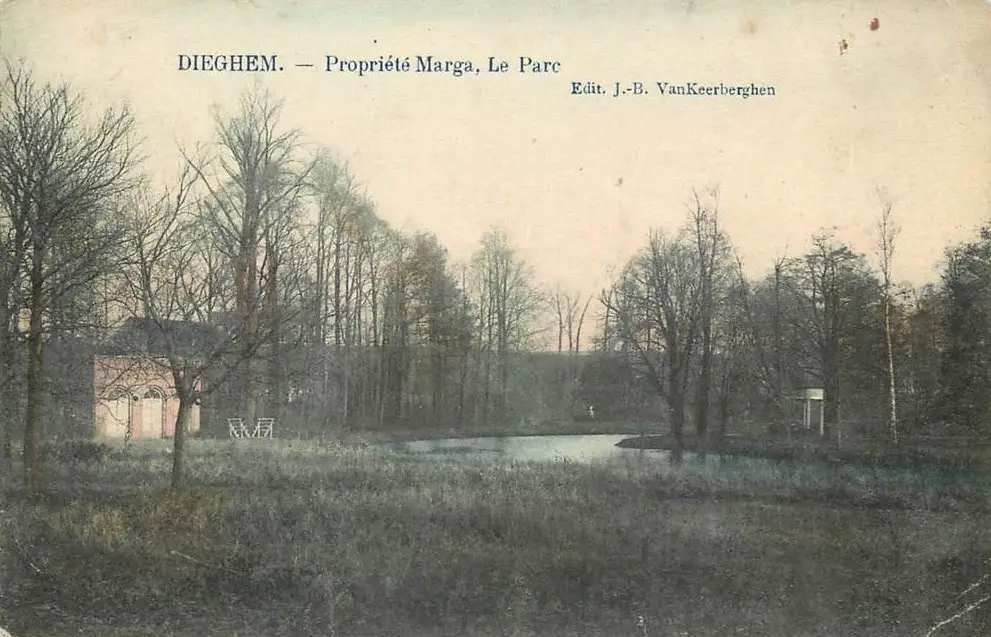
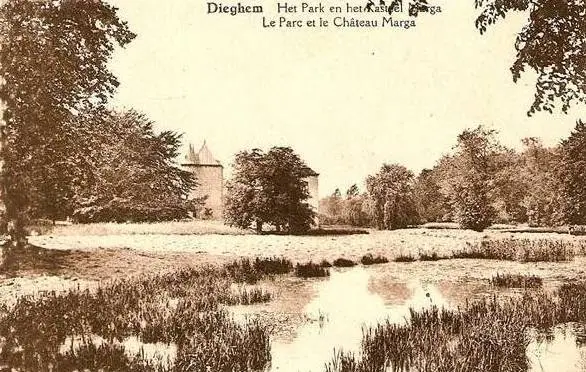
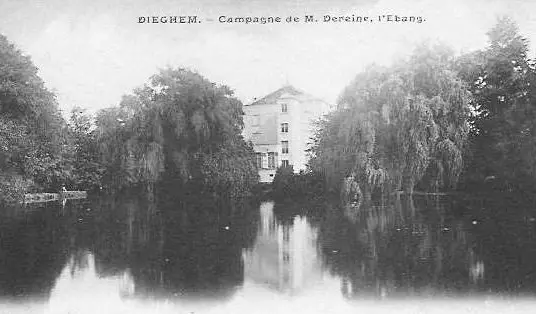
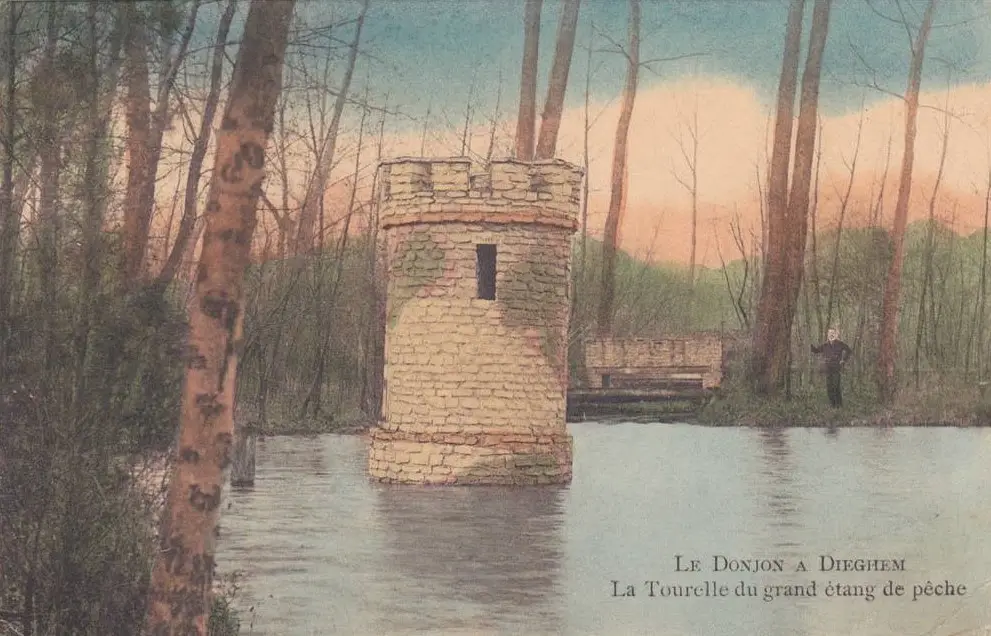
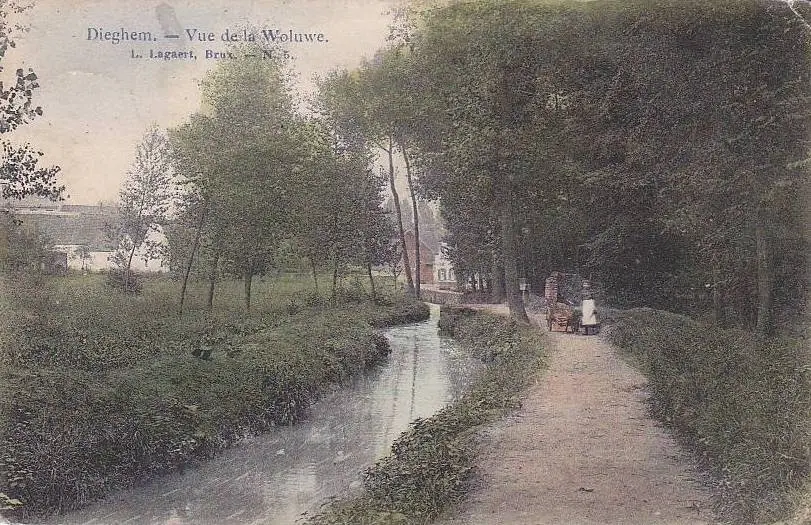
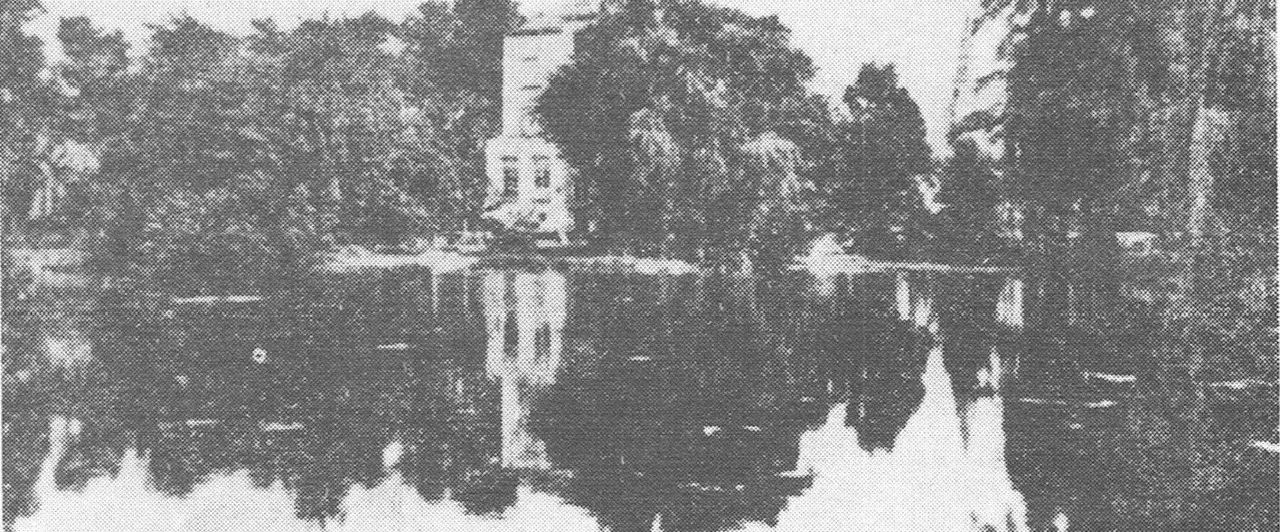
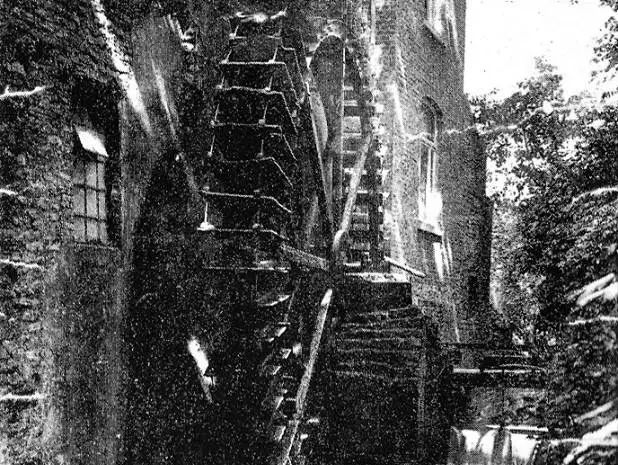
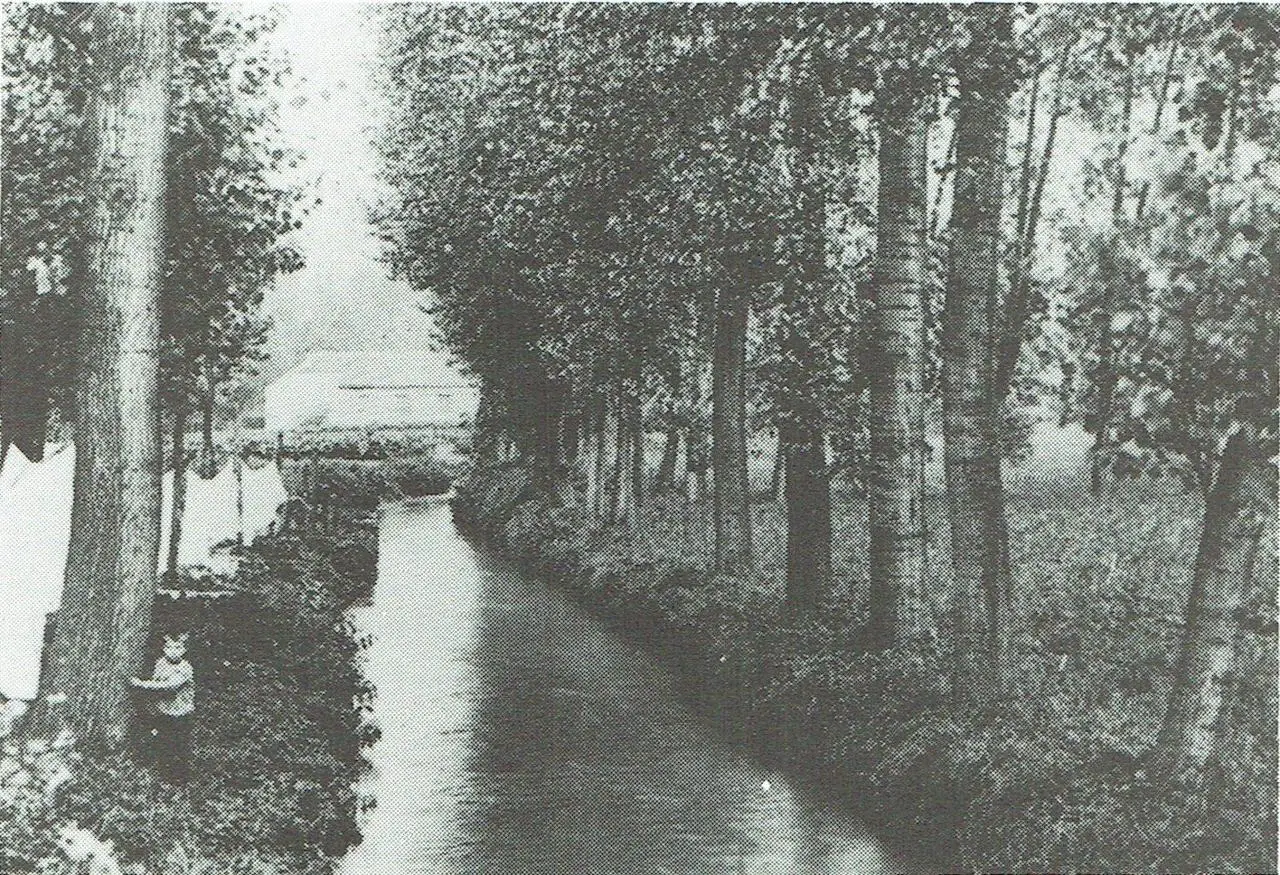
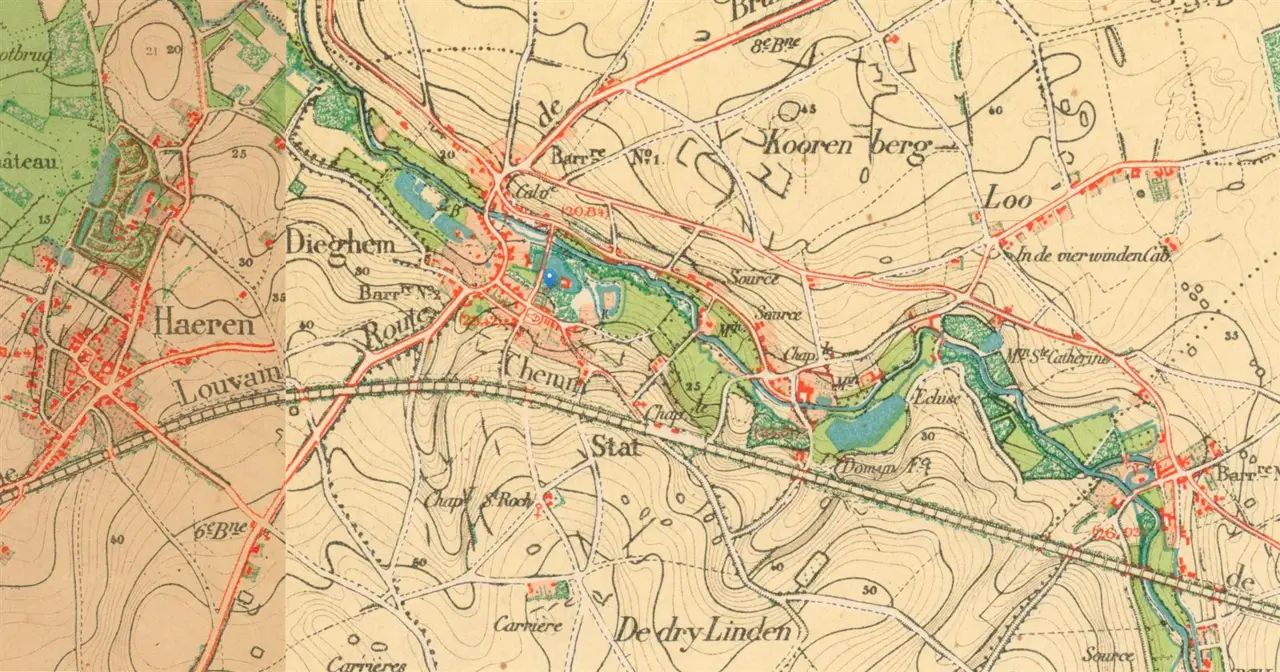
Once upon a time, Diegem was a haven of unspoiled nature on the outskirts of the capital. Along the Woluwebeek and the Holbeek, lined with six watermills, numerous ponds stretched out, fed by dozens of natural springs. The flora of the Woluwe valley once attracted both botanists and Sunday strollers from Brussels.
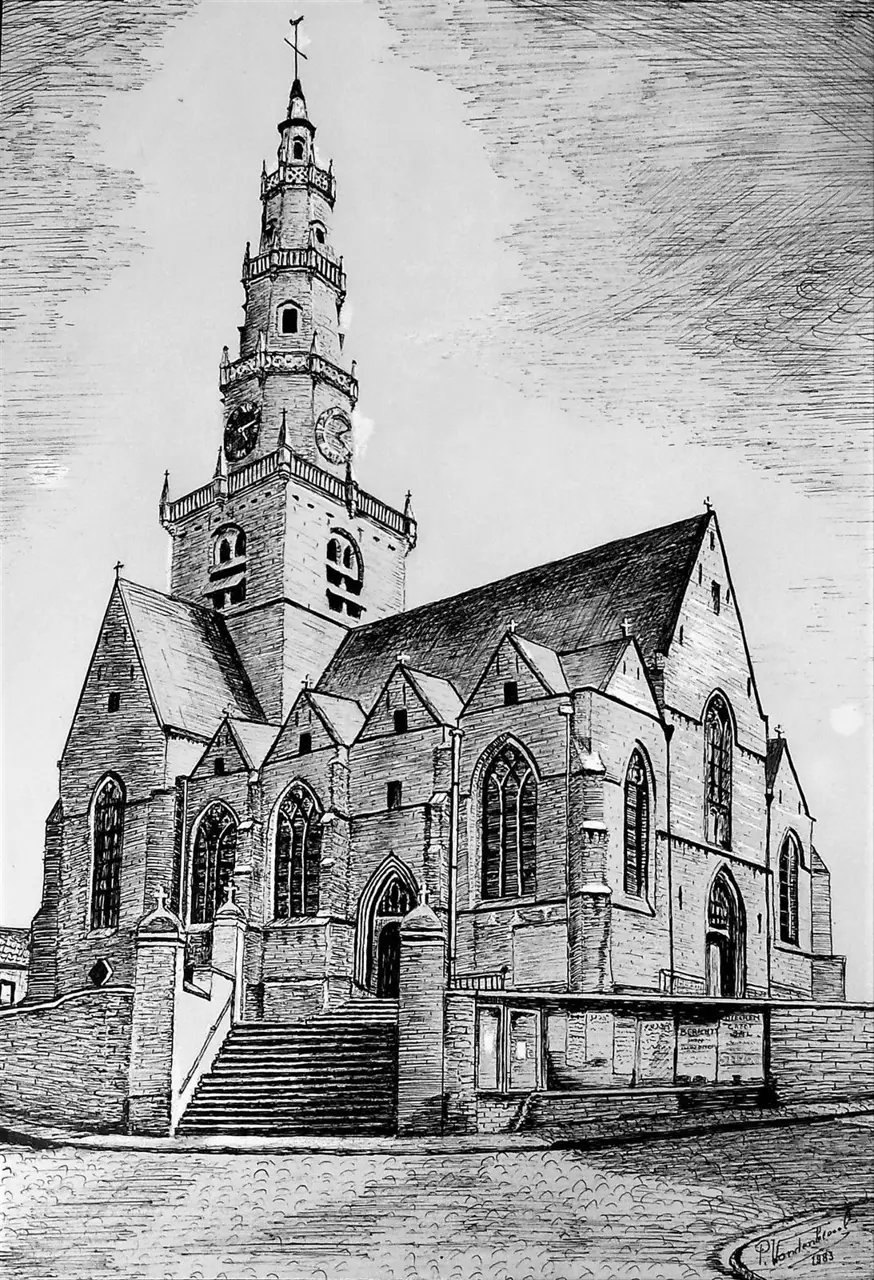
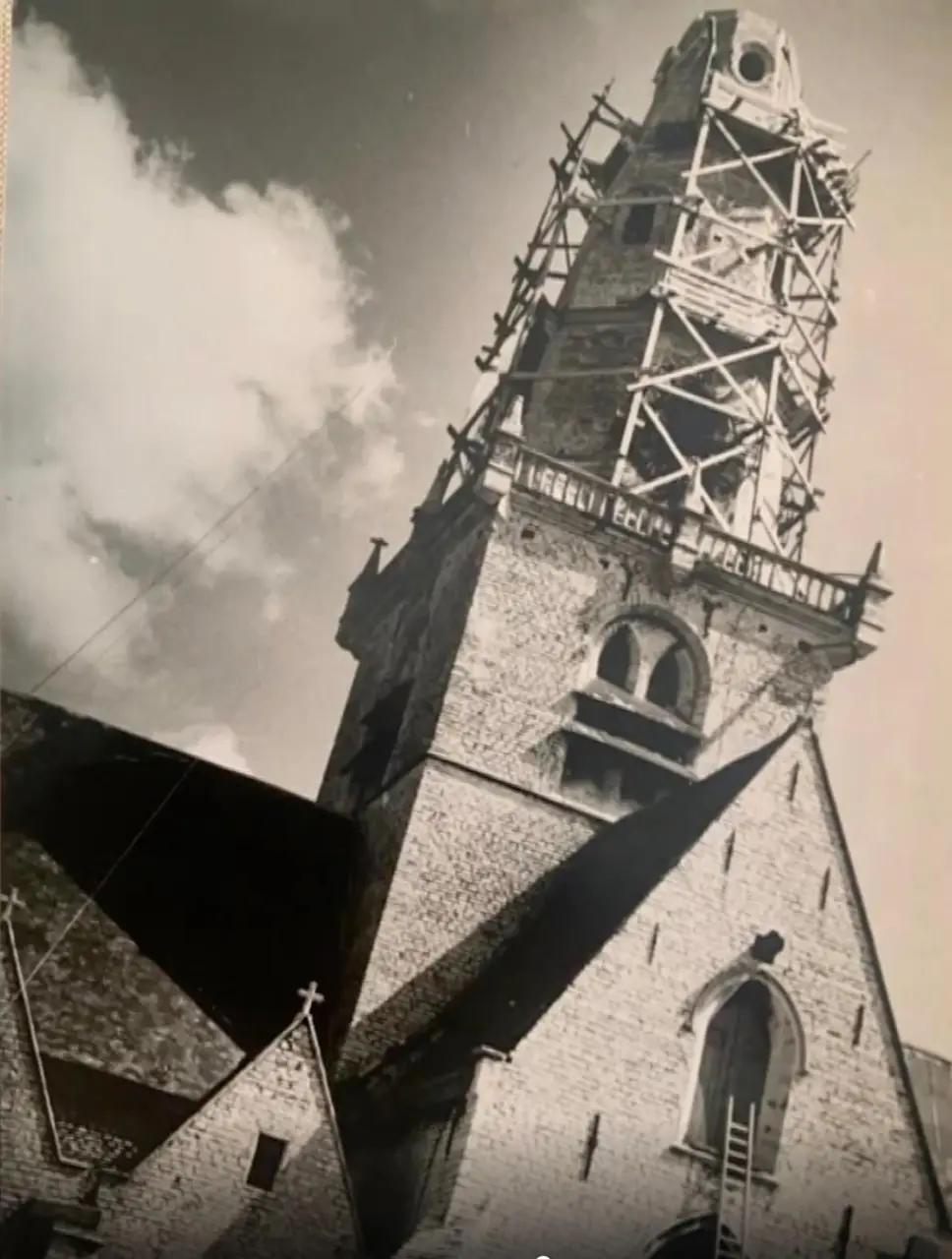
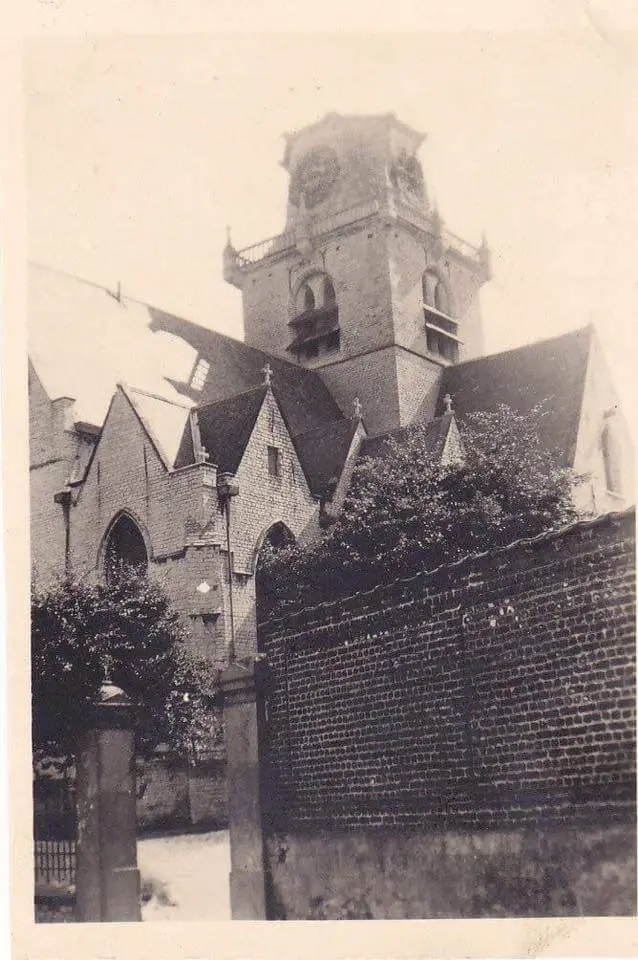
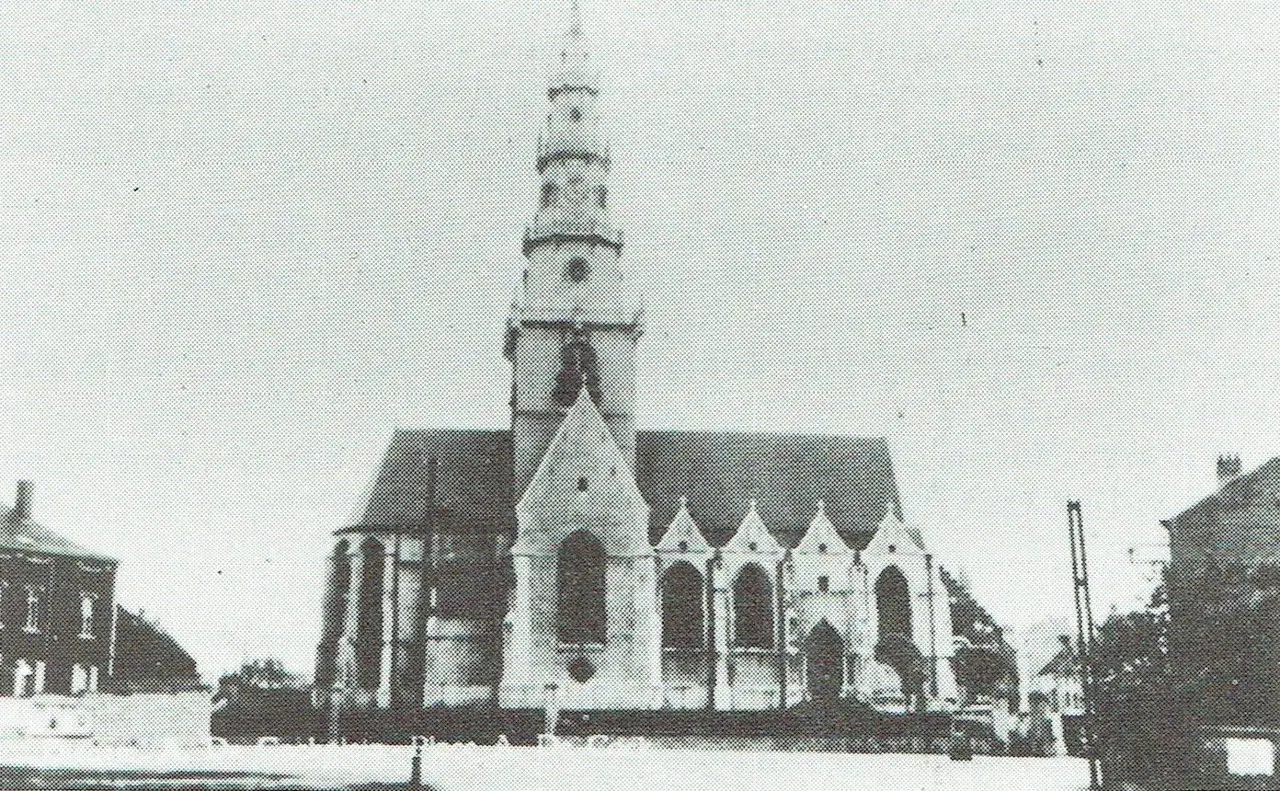
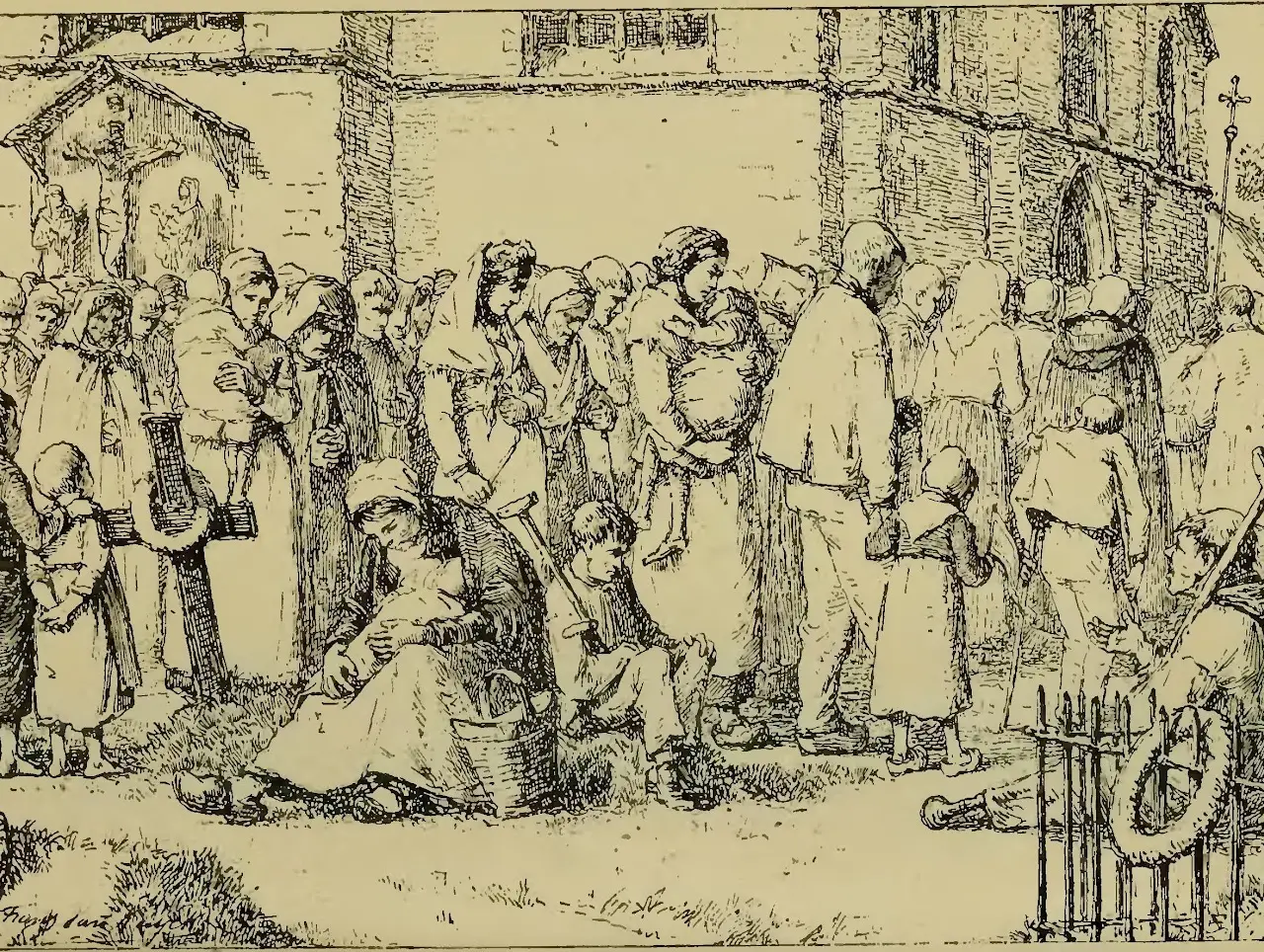
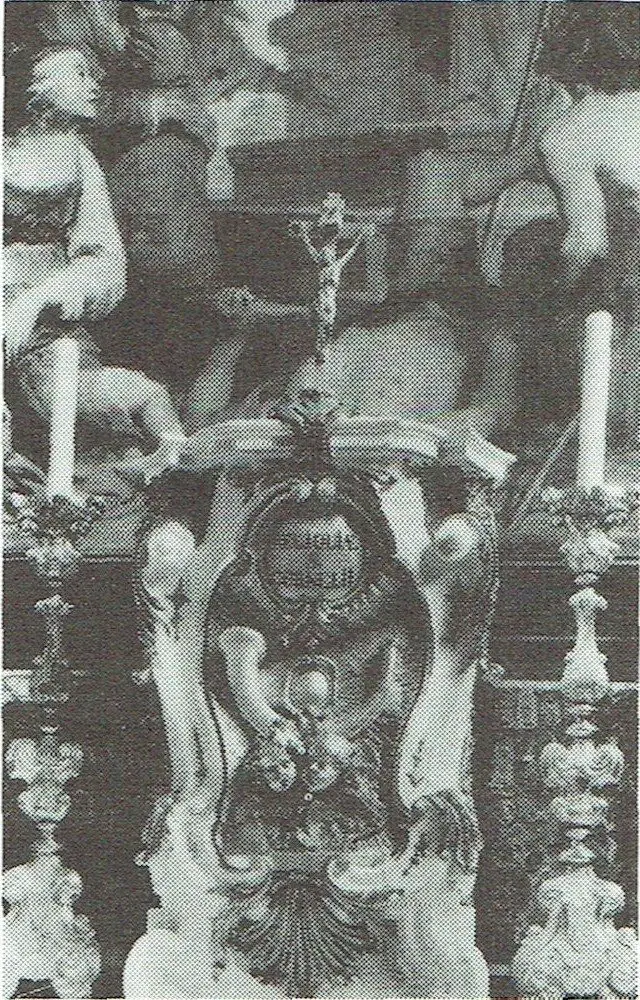
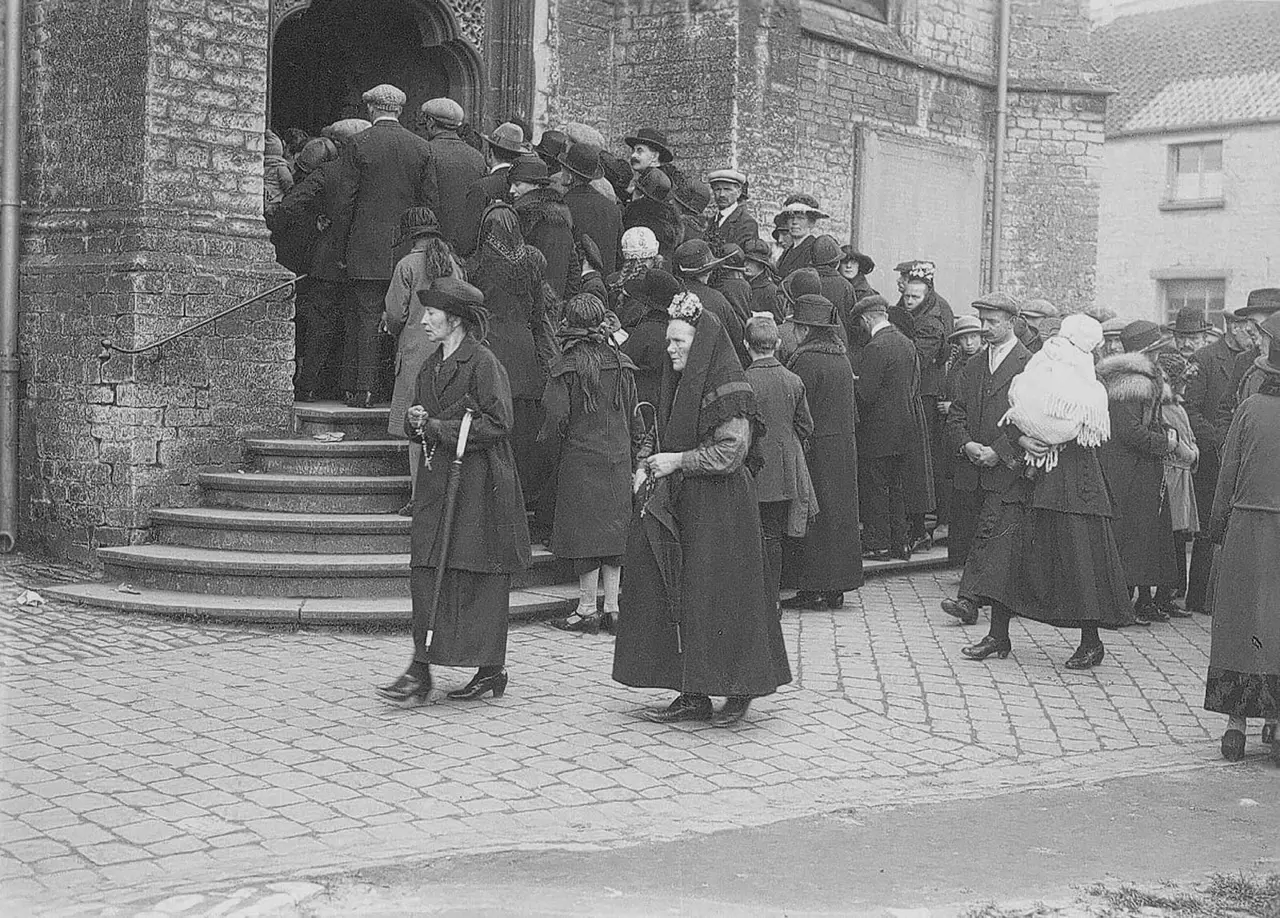
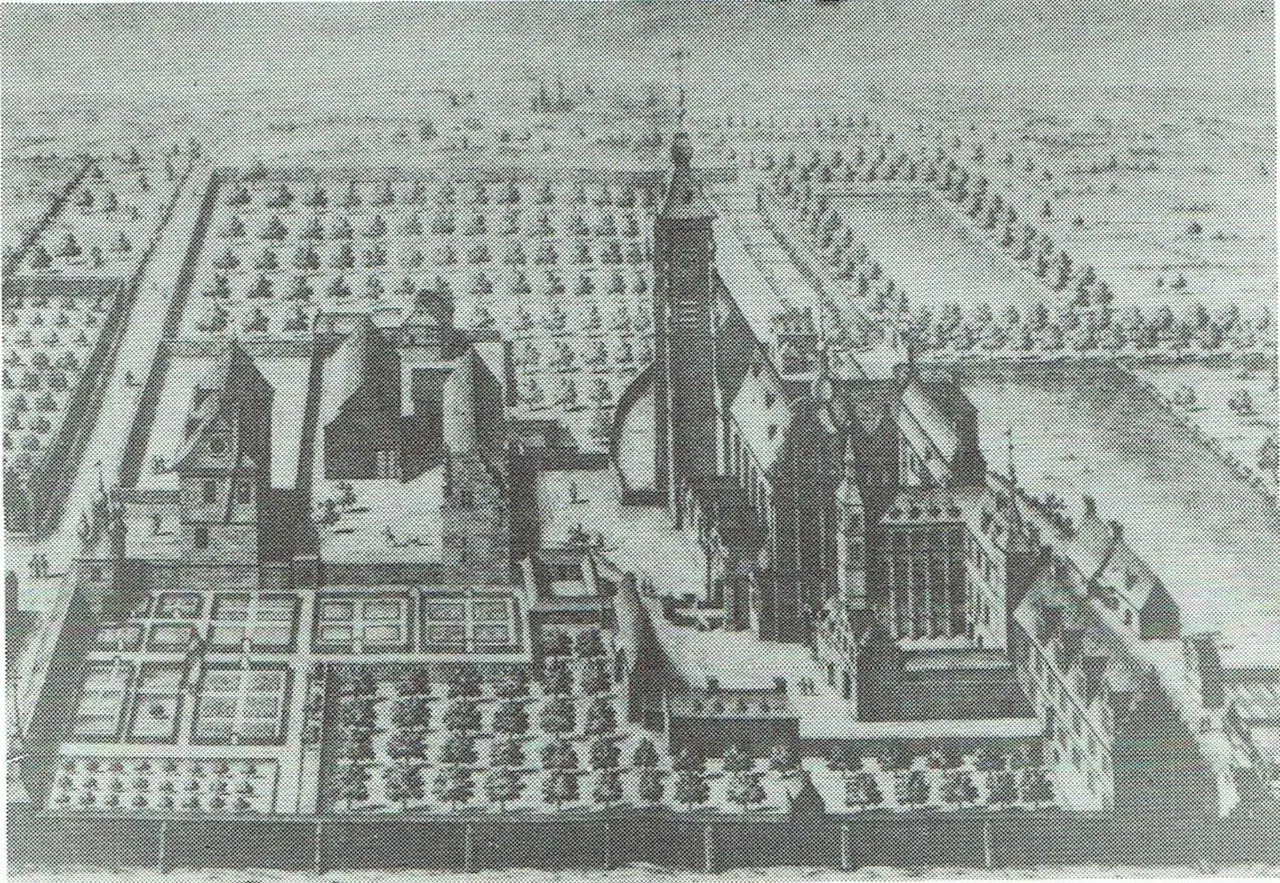
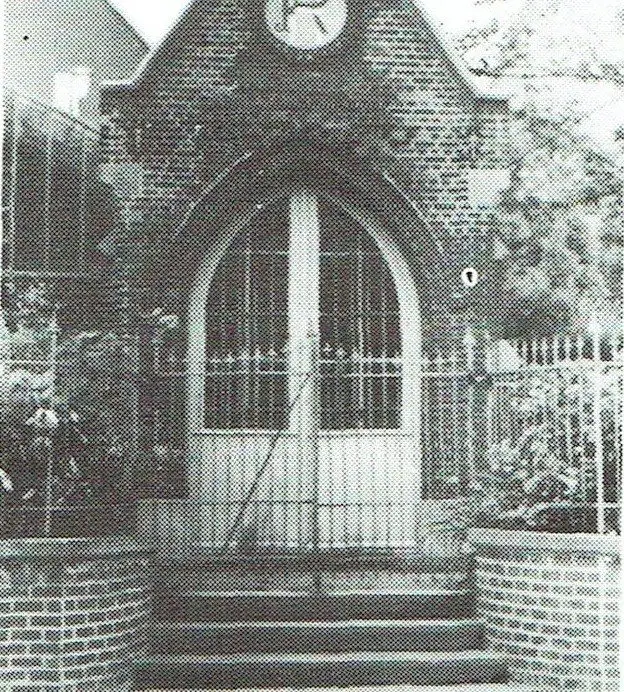
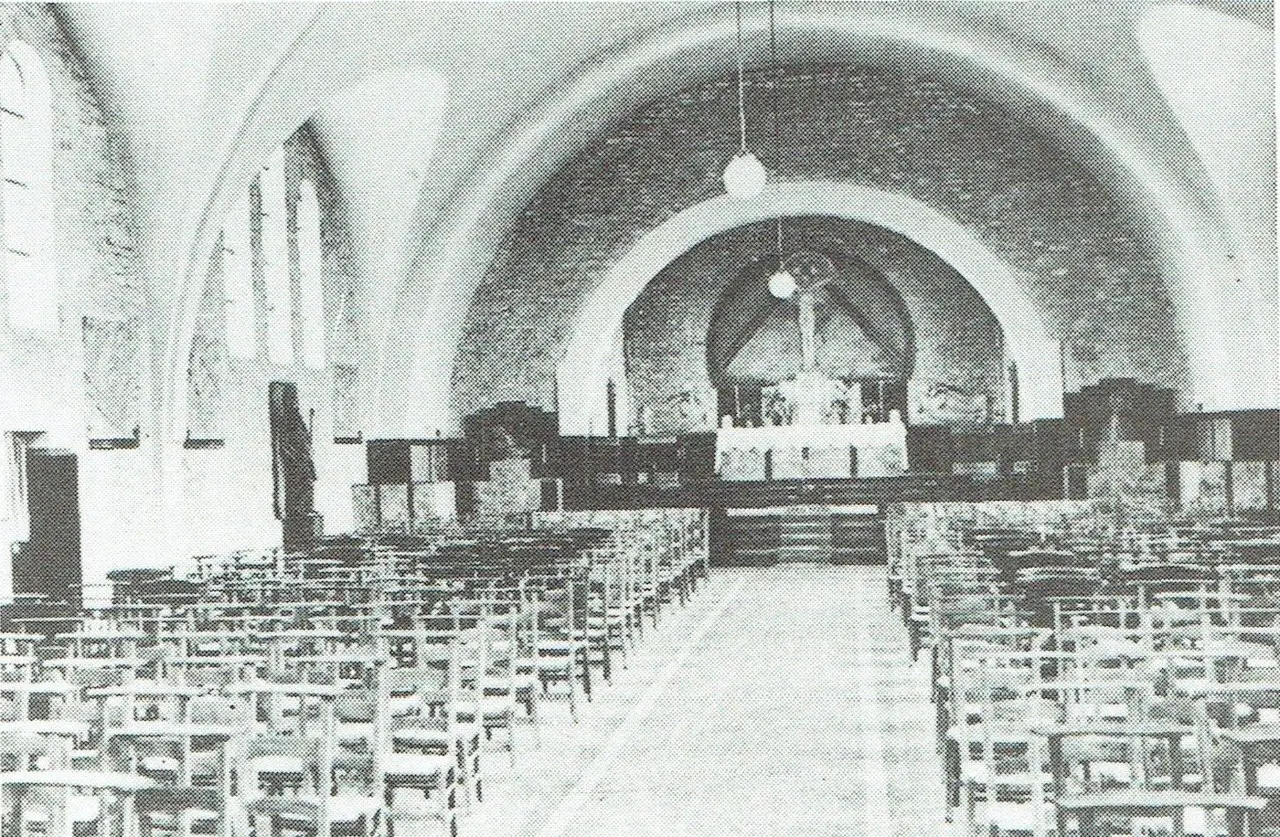
Local life in Diegem was closely linked to the cult of Saint Cornelius. In the 9th century Diegem probably passed, through a gift from the emperor, to the Abbey of Kornelimünster near Aachen, which would explain why Saint Cornelius—pope and martyr of the 3rd century—became the patron saint of the village. A document from 1462 already attests to the existence of a flourishing confraternity dedicated to this saint, whose cult against convulsions and sudden illnesses spread particularly during the 17th century.
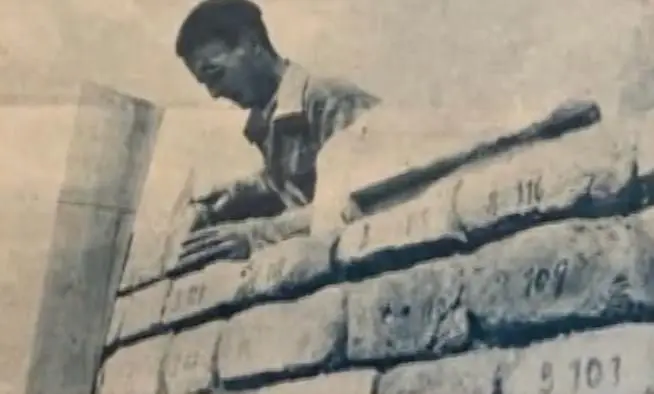
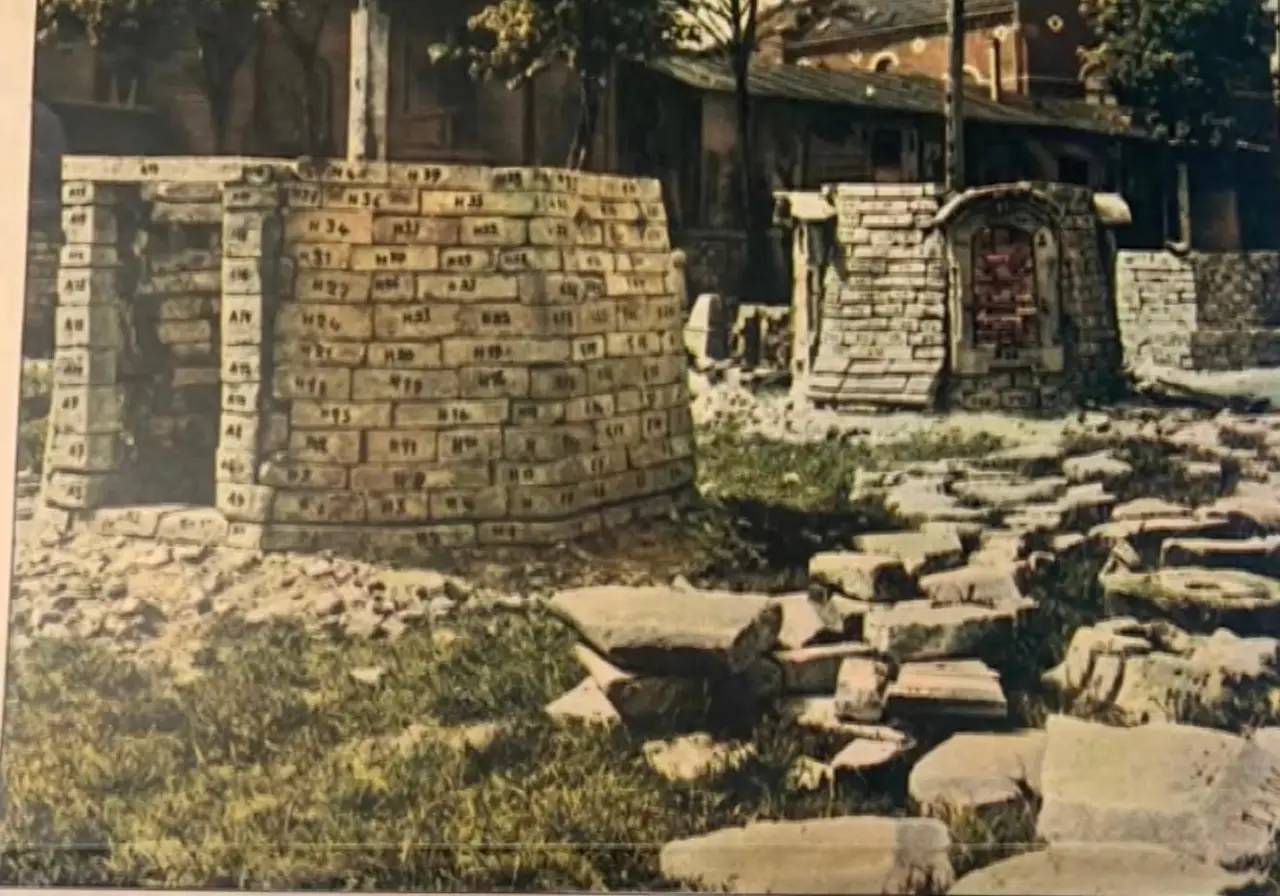
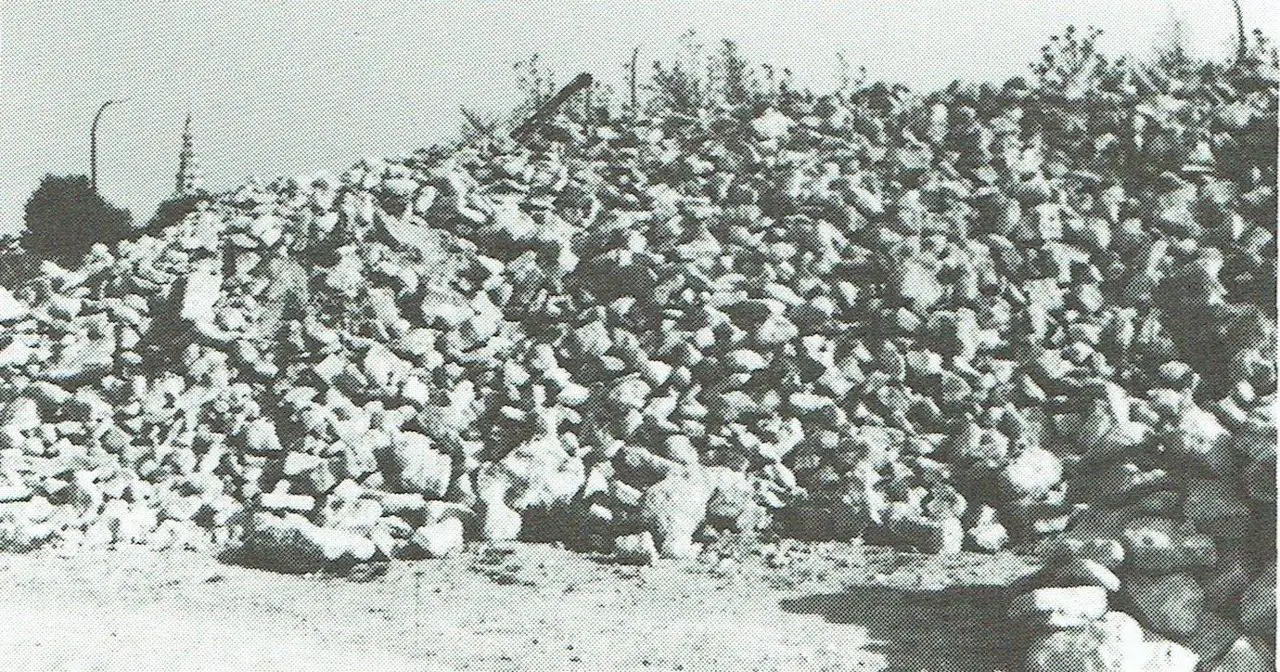
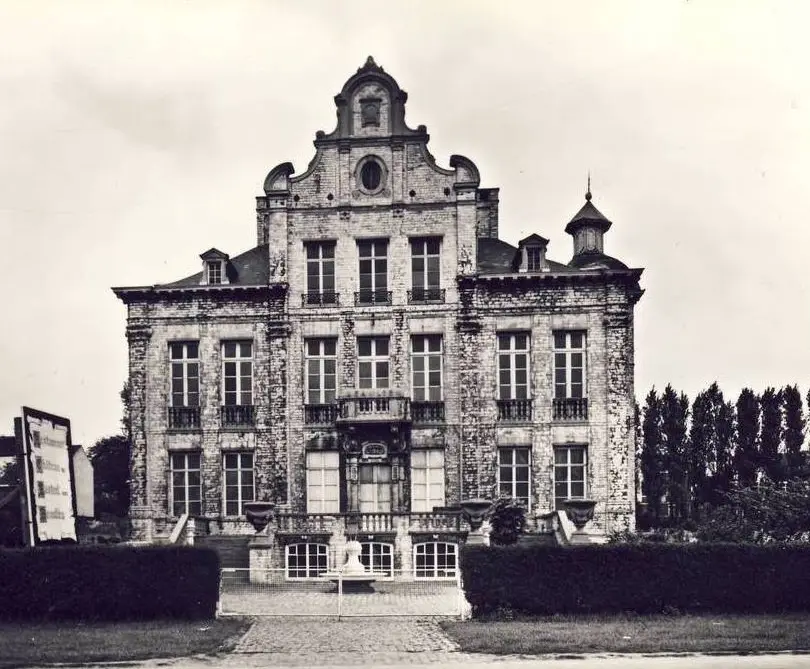
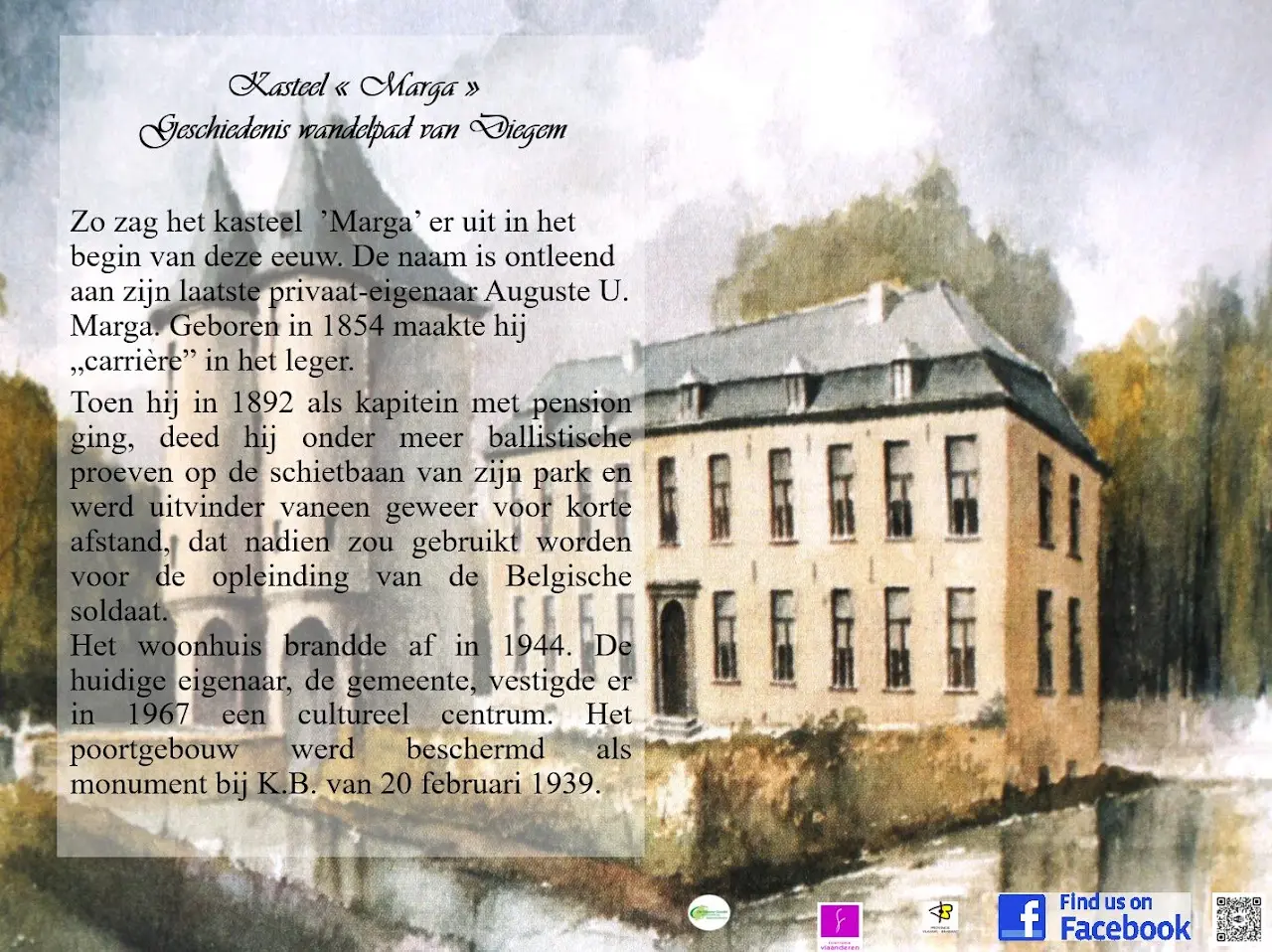
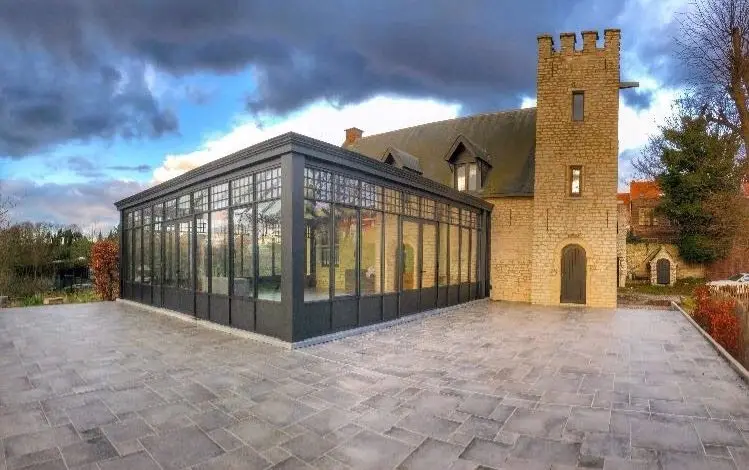
The population lived mainly from agriculture and the exploitation of sand pits. Stones from Diegem were used not only to build local homes, the castle, and the church, but also important buildings in Brussels and hydraulic works in the Netherlands.
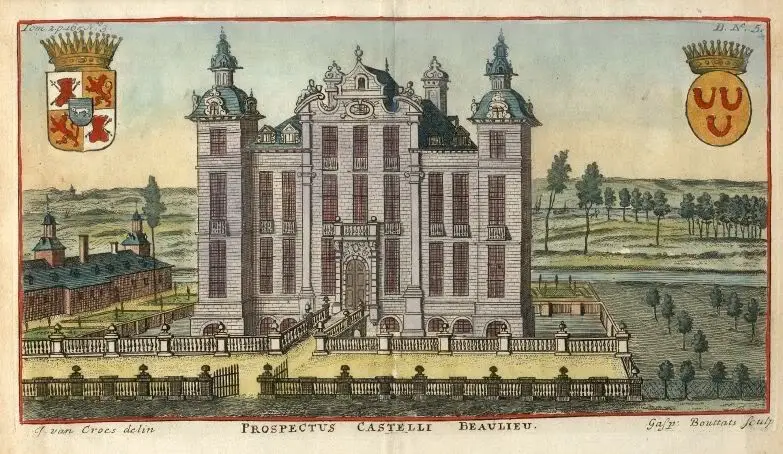
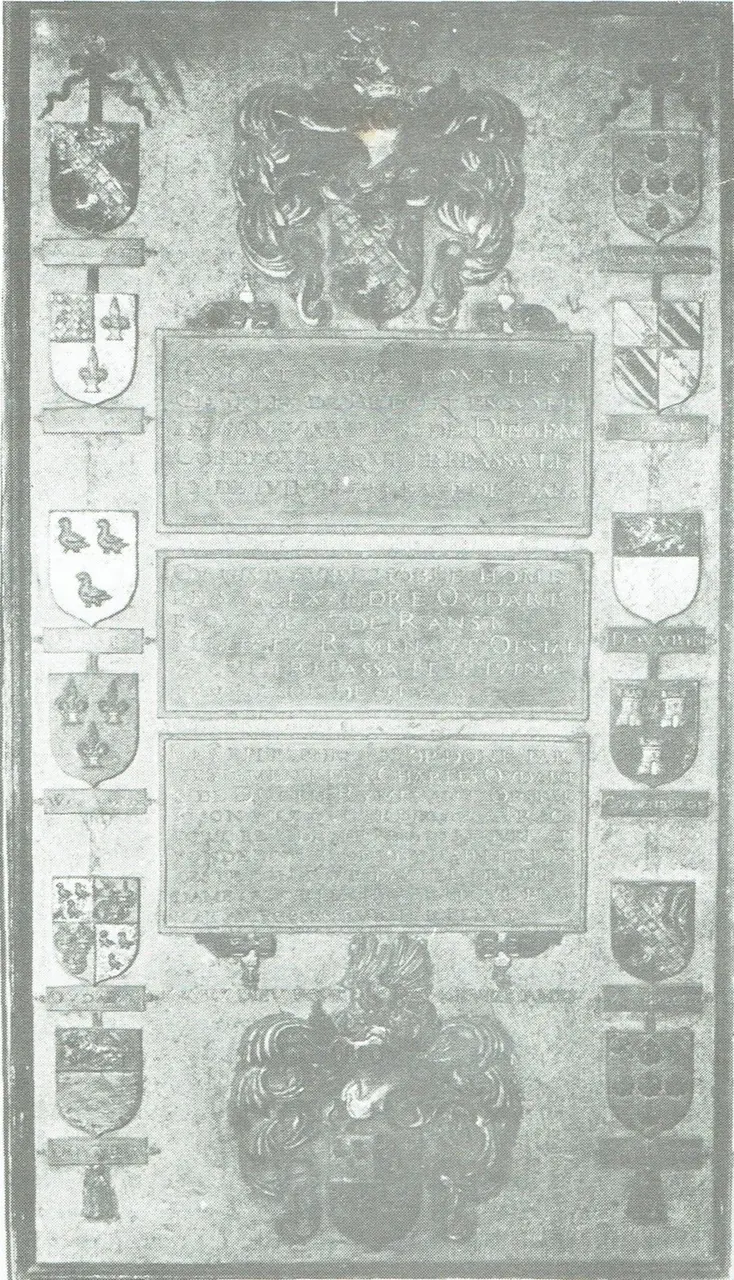
Since the 13th century, the lords of Diegem have been documented, such as Gilbert van Didenghem (1265) and Jan van Diedeghem (1339). The lordship successively passed to the Van Brecht, Oudart, Happart, Piermans, Lanfranchy, and Le Boucq de Beaudignies families. At that time, Diegem depended on the aldermen of Erps, who did not have their own seal and used that of the domain’s receiver or the local lord. It was not until 1507 that a charter granted Diegem its own seal, depicting a rampant lioness supported by the image of Saint Cornelius, holding an apostolic staff in his right hand and a horn in his left.
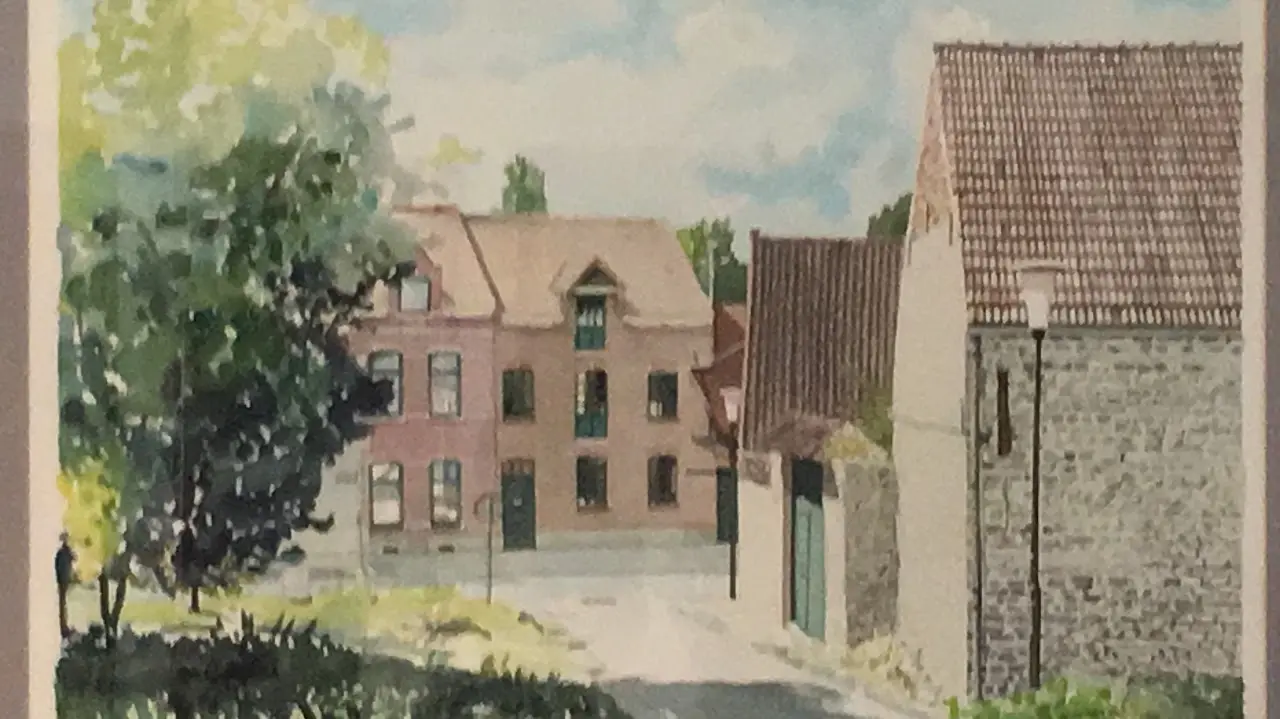
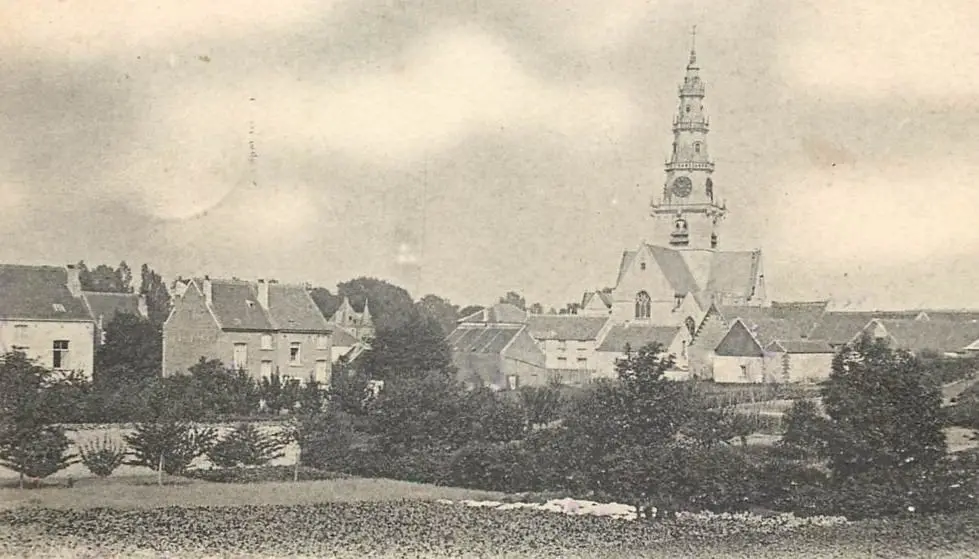
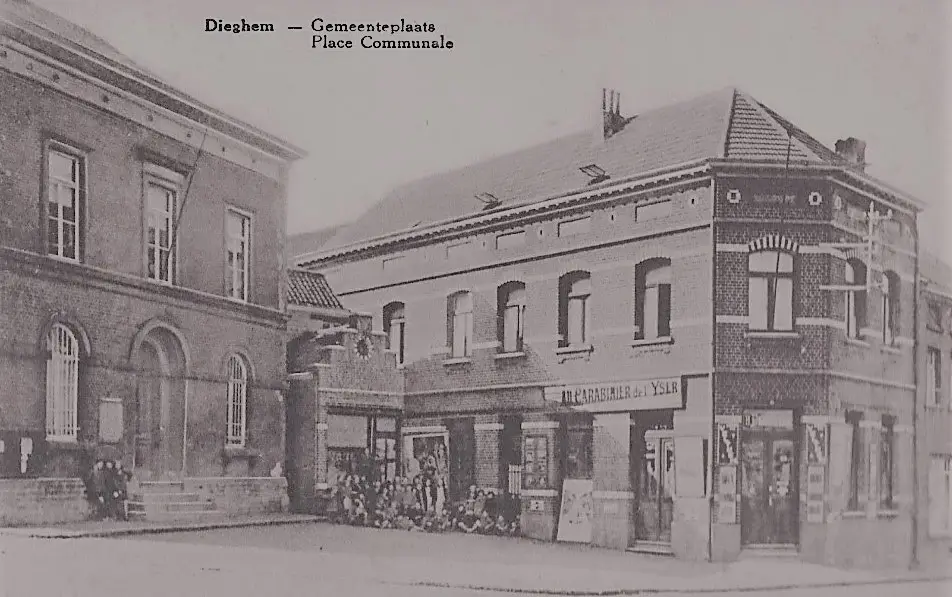
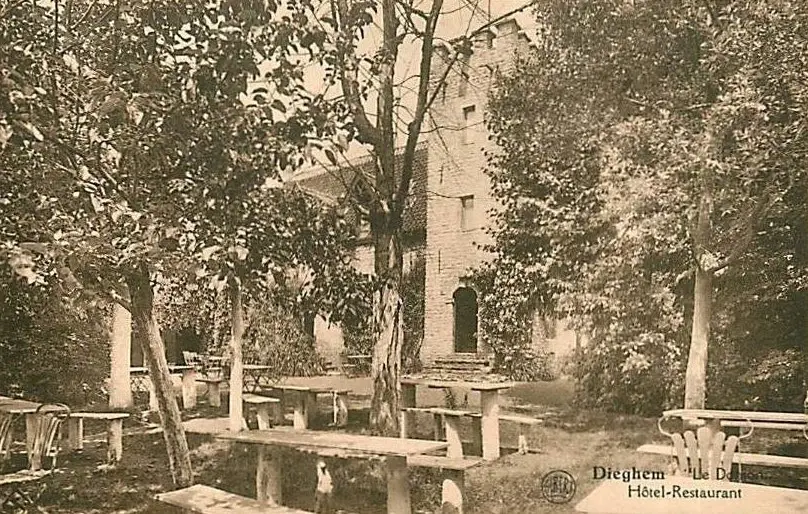
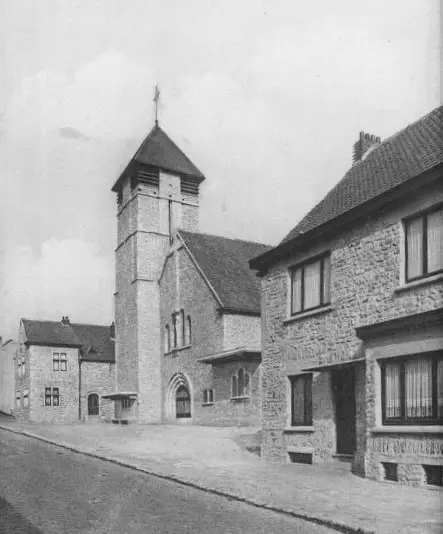
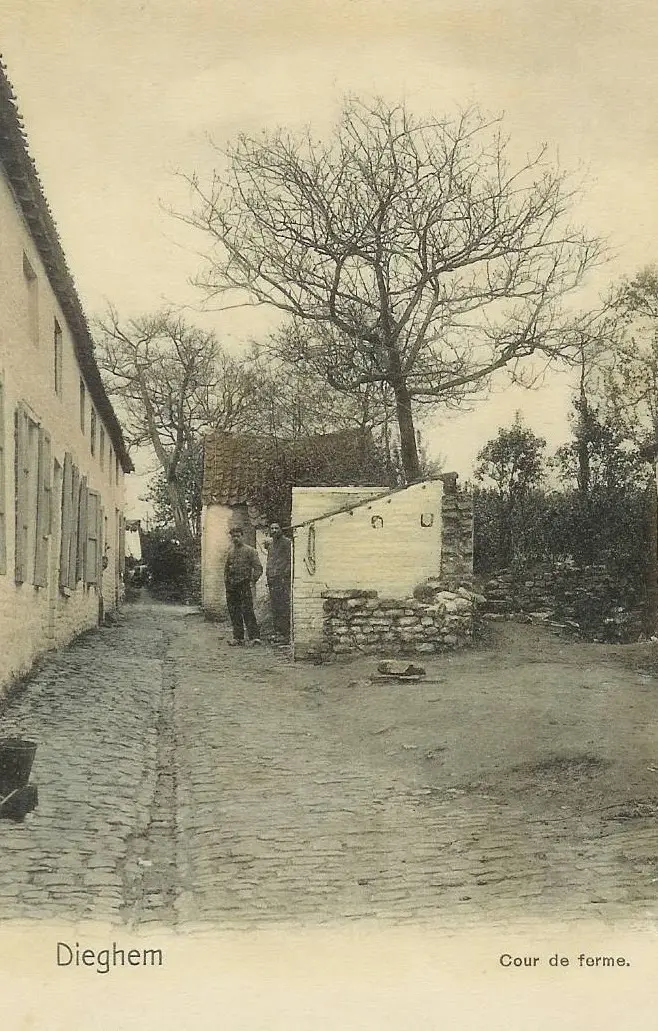
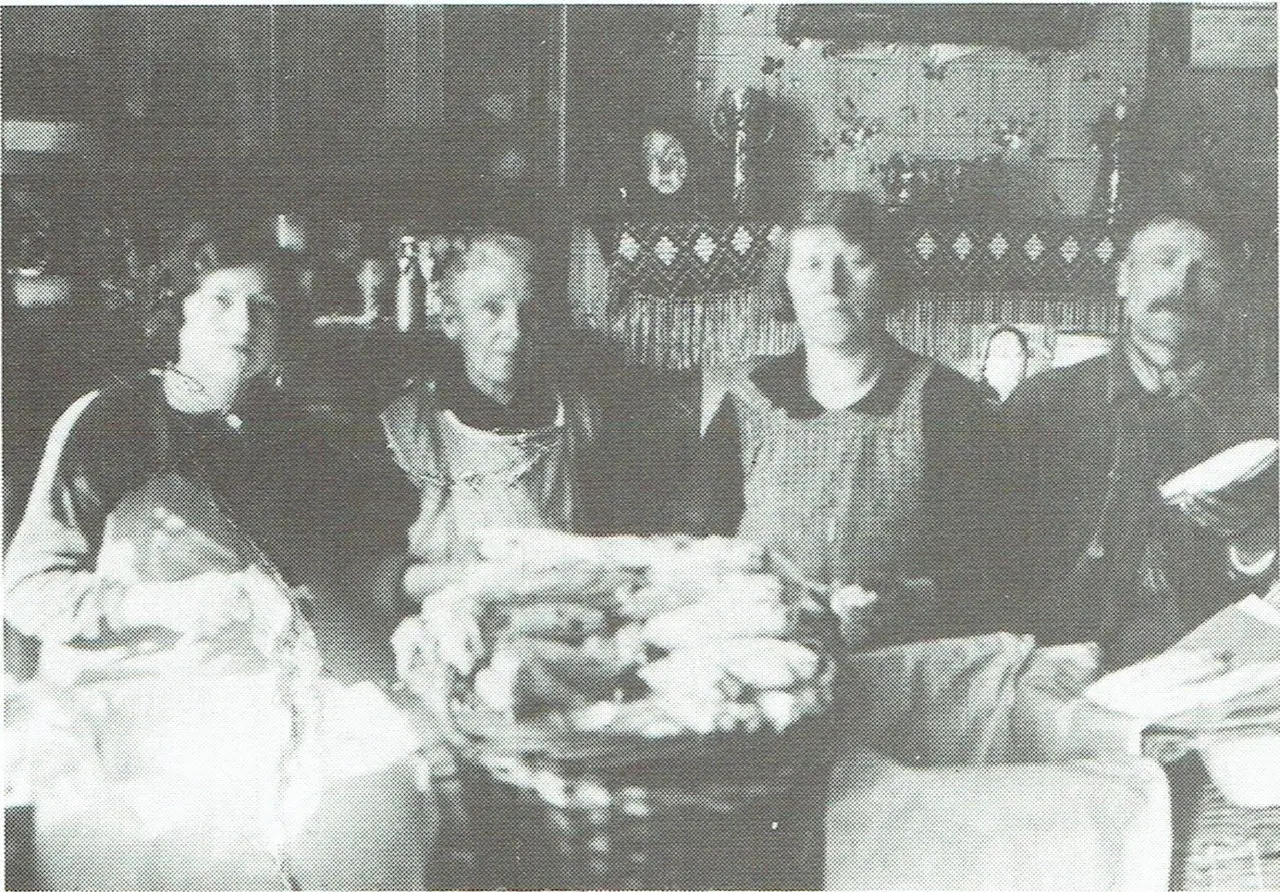
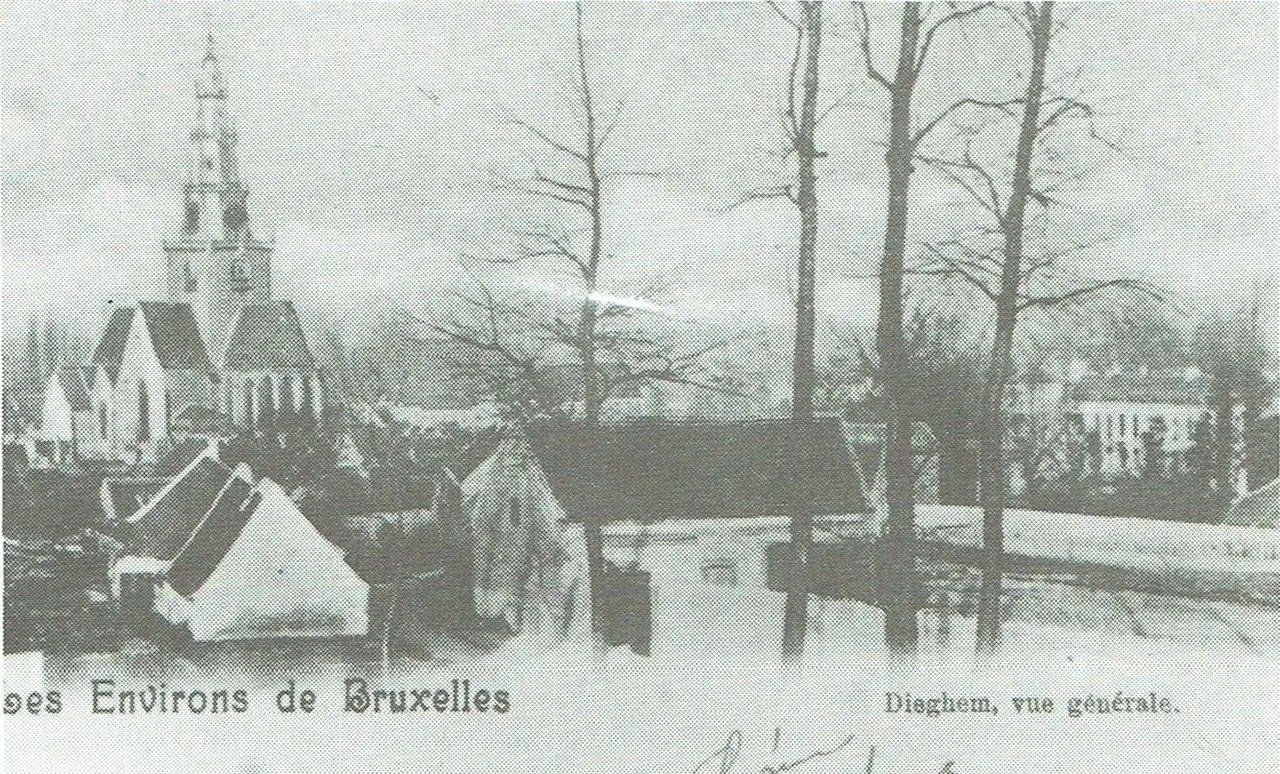
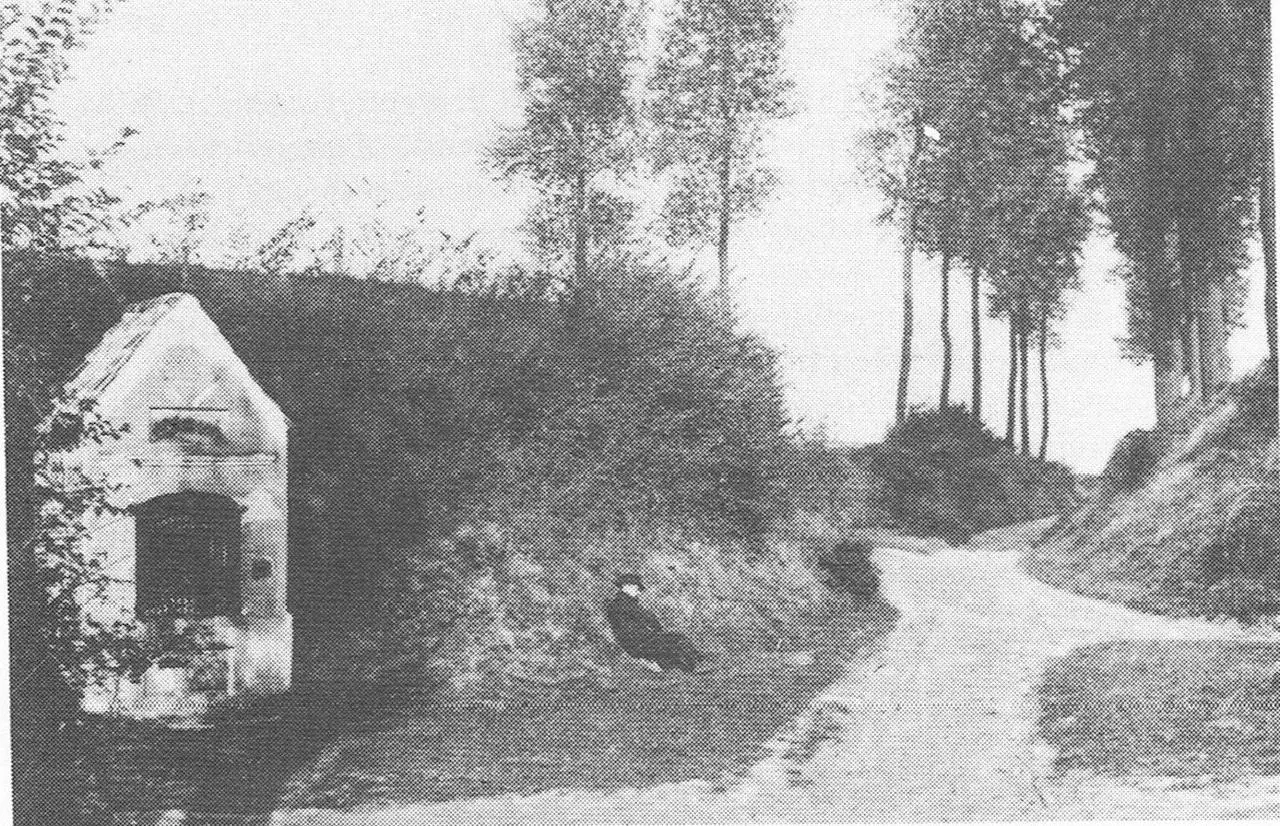
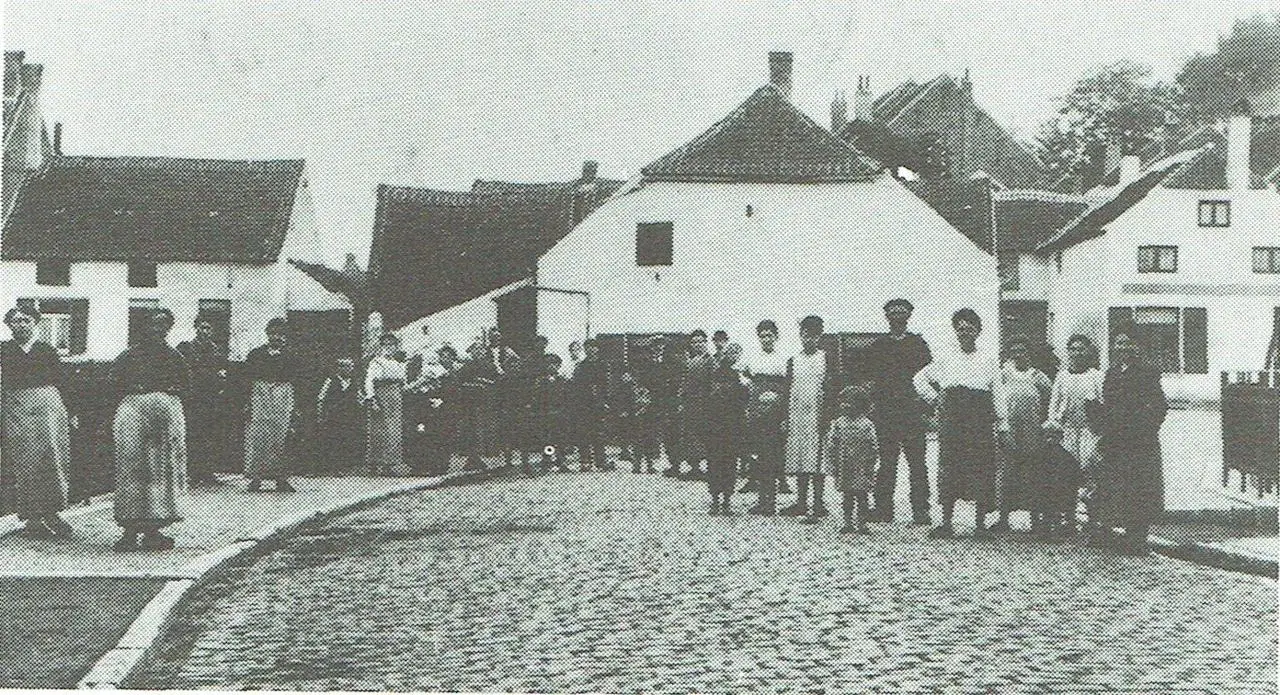
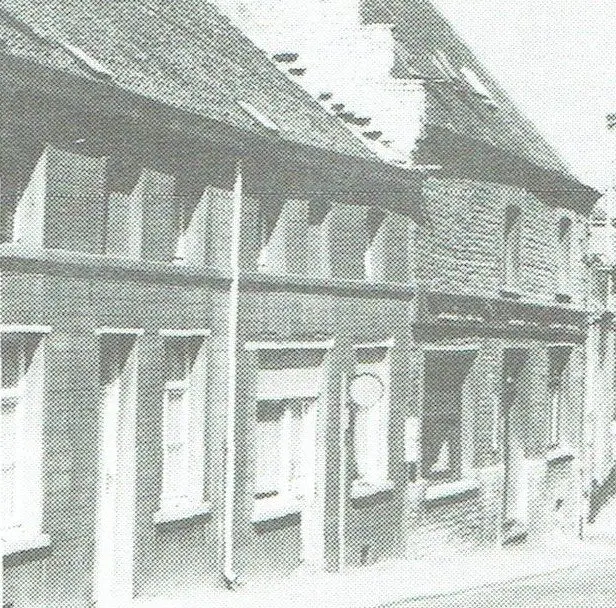
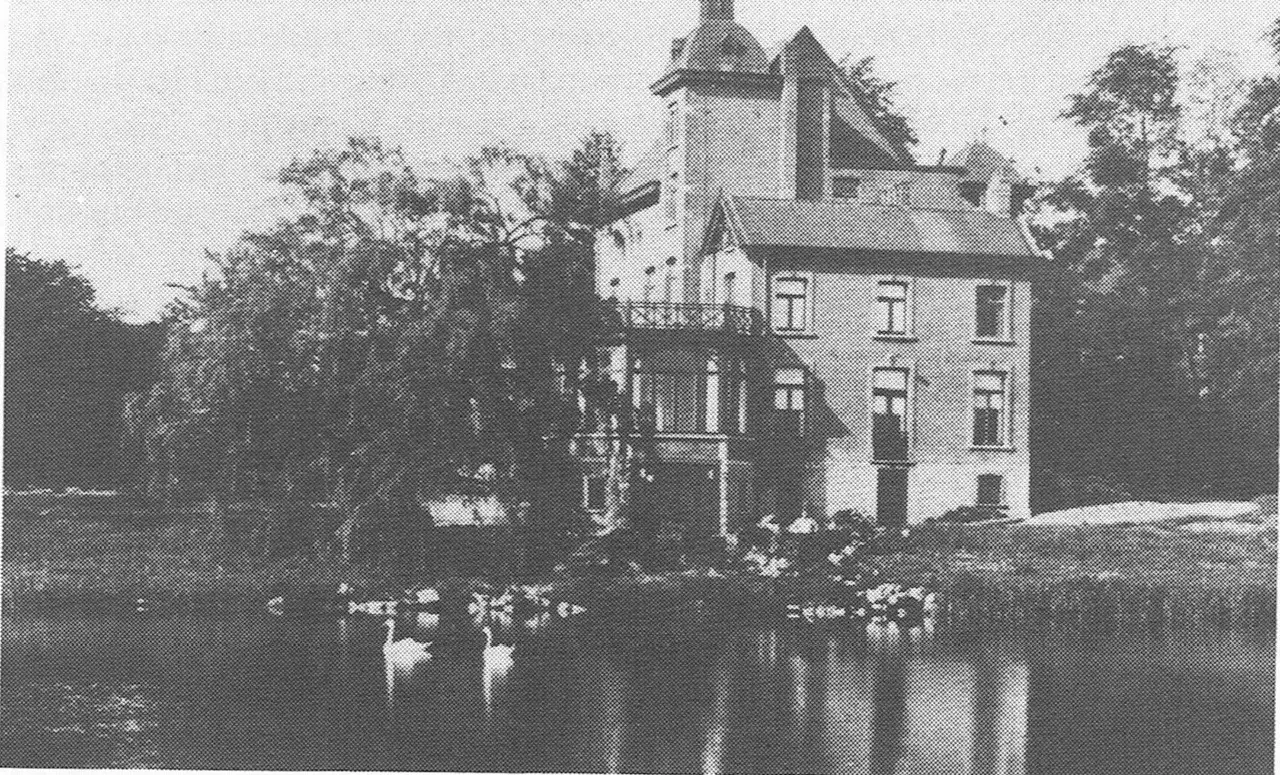
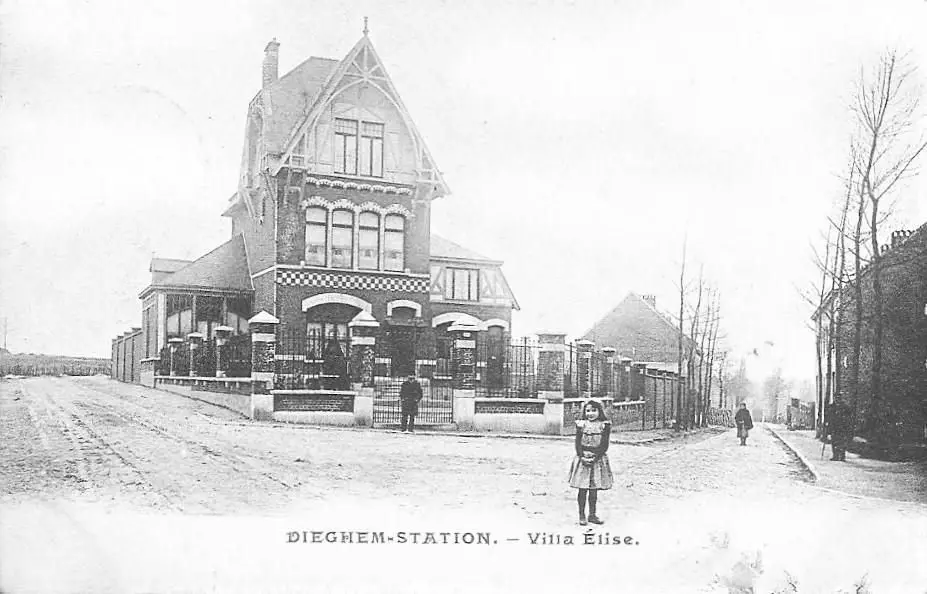
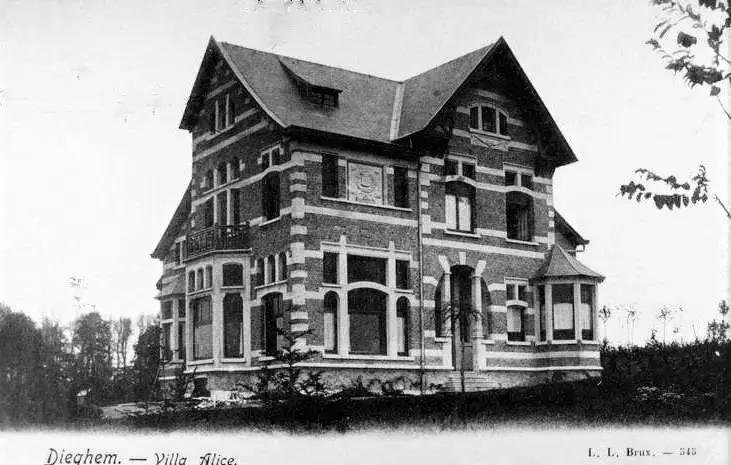
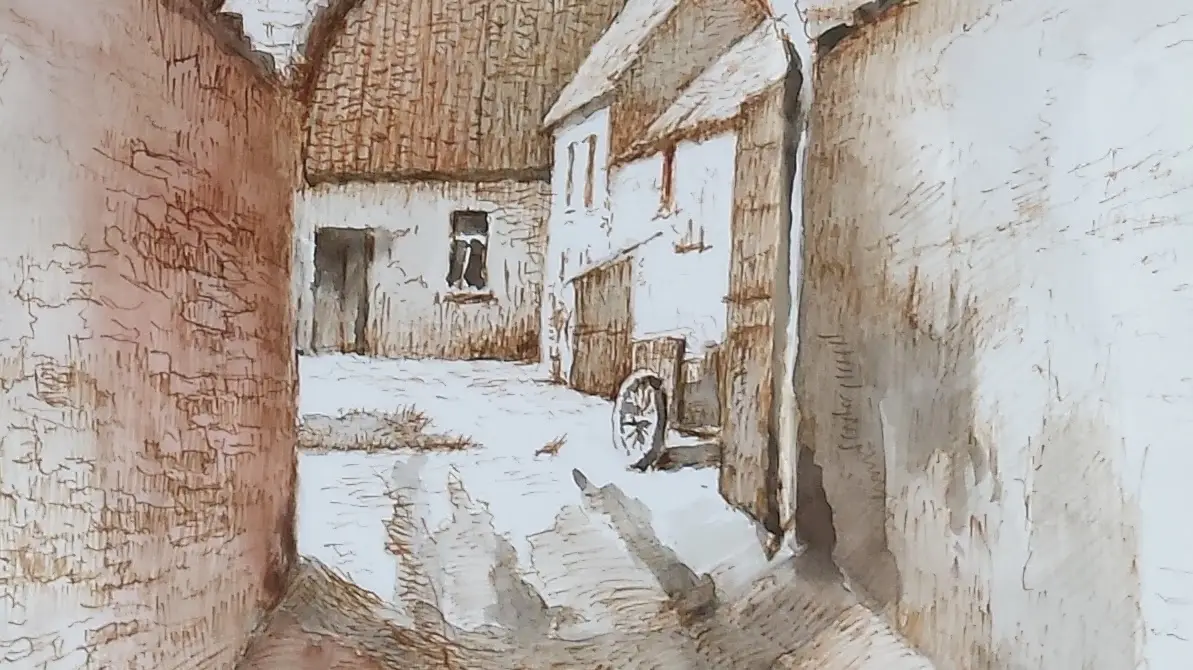
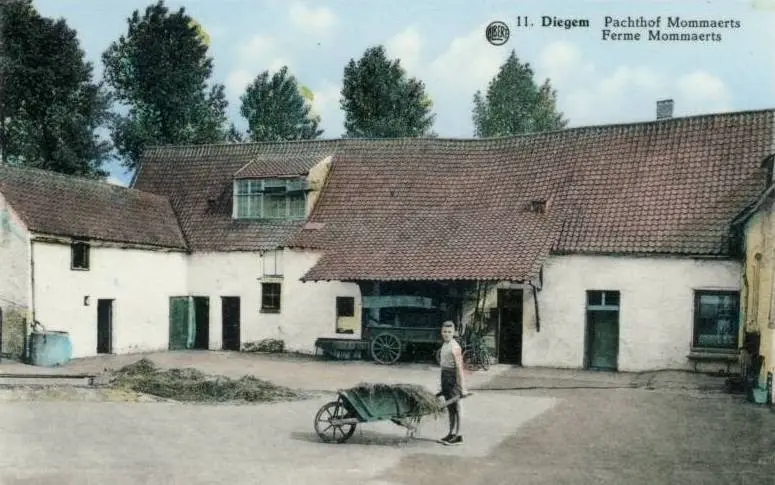
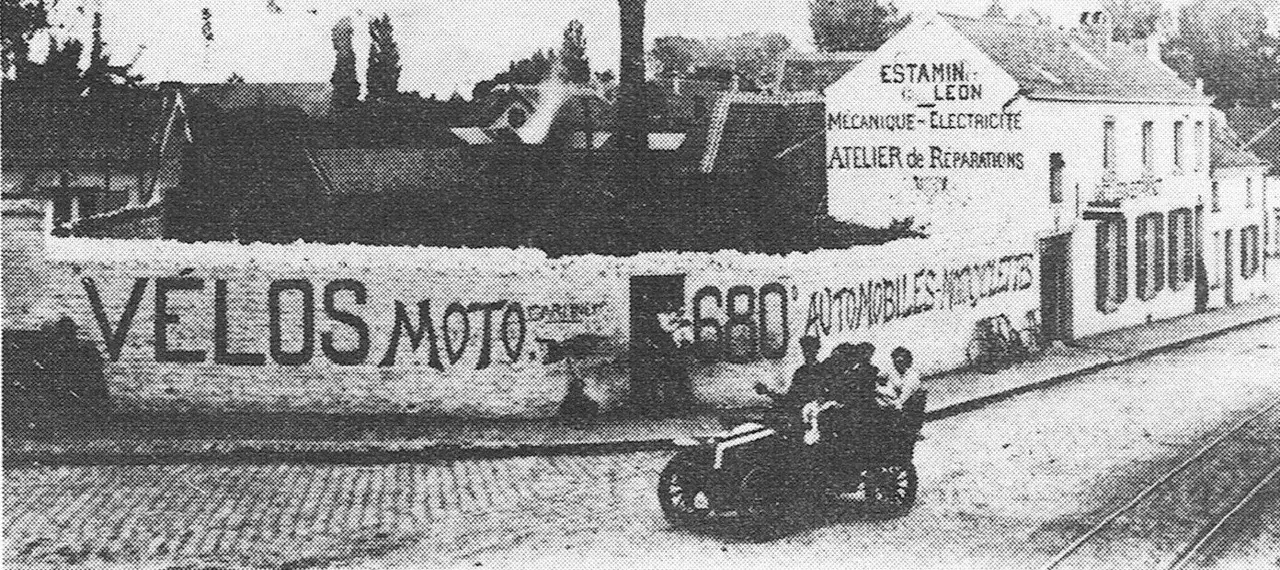
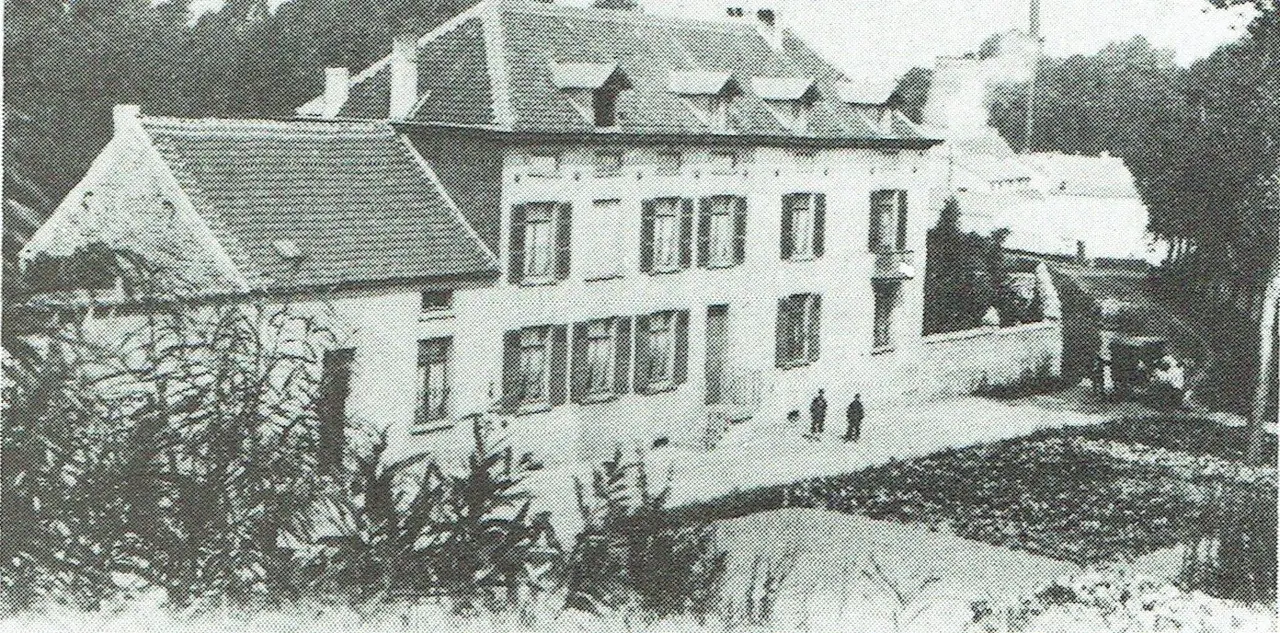
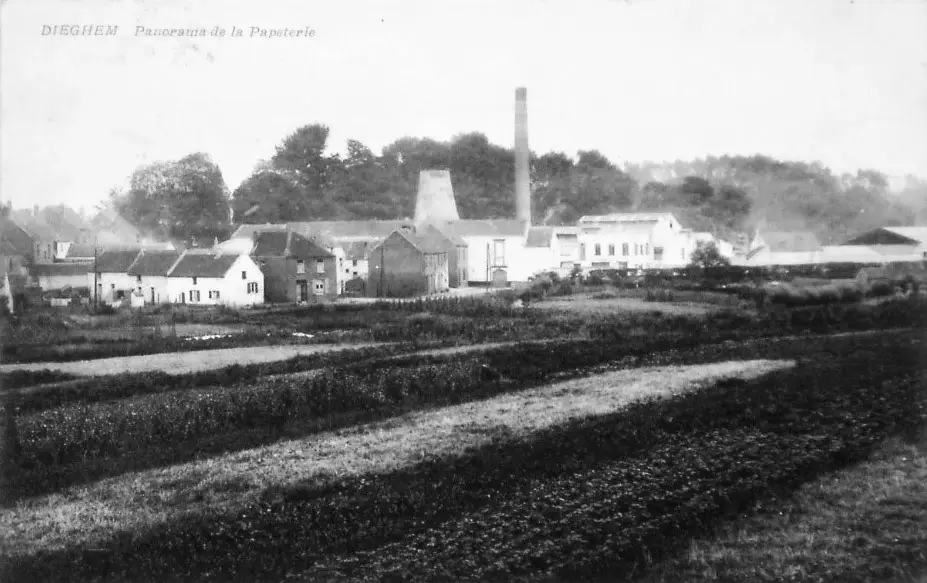
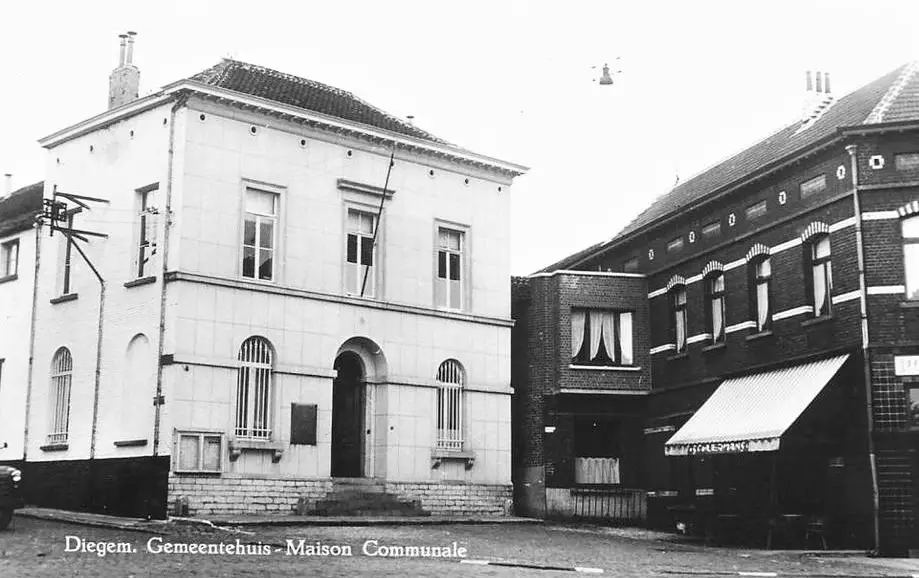
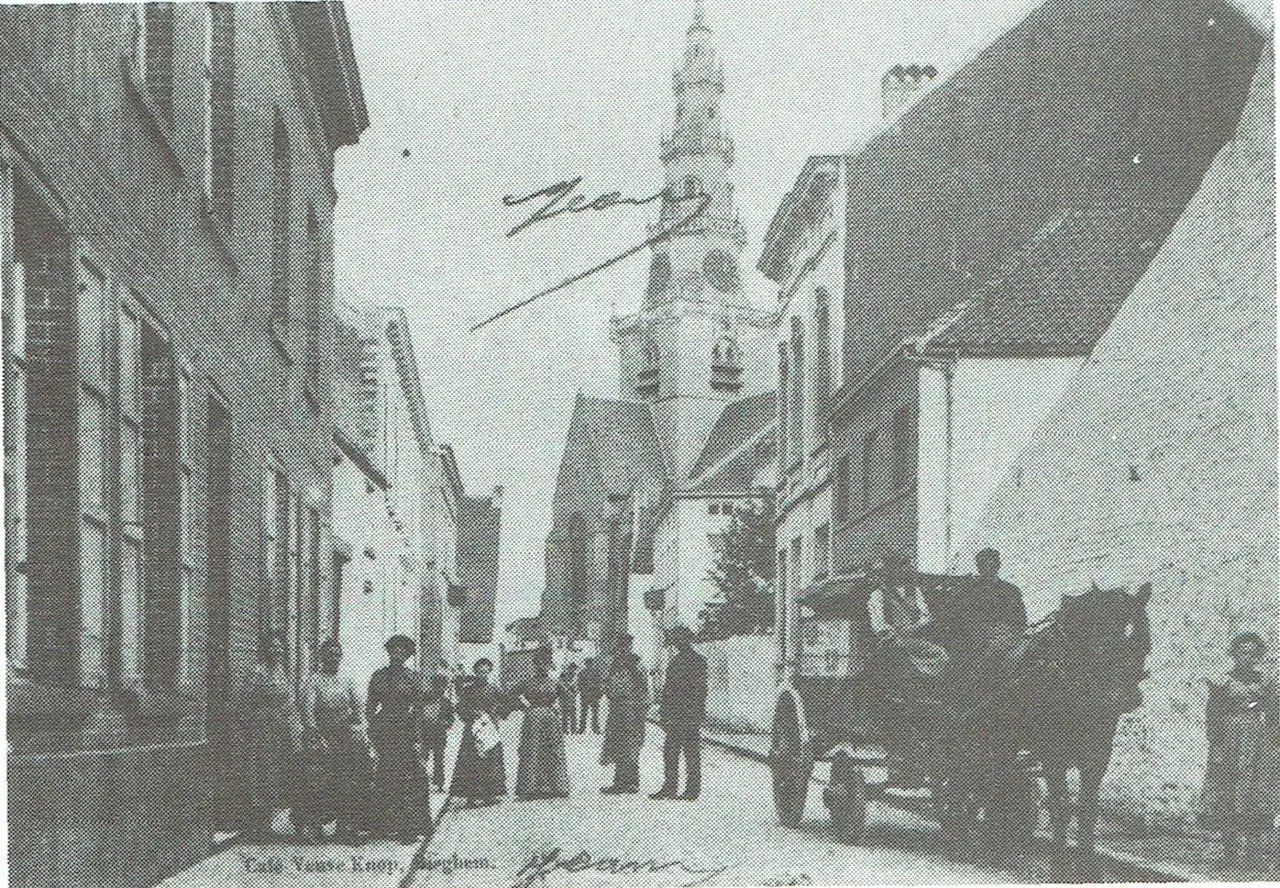
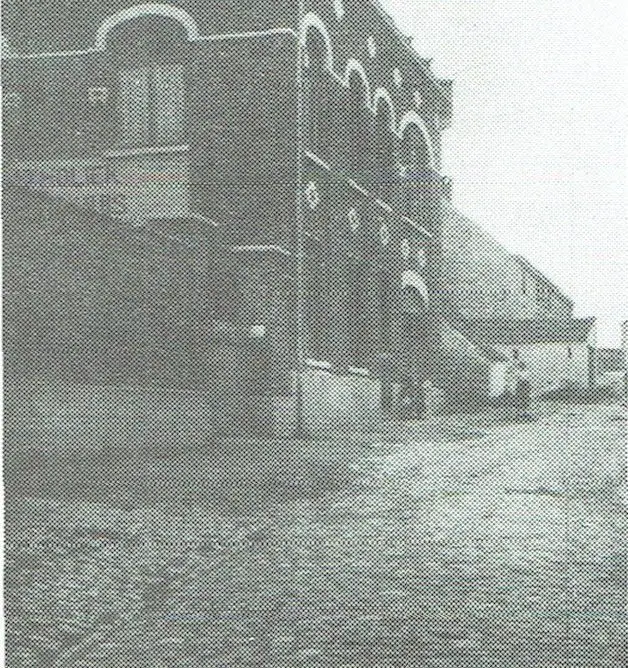
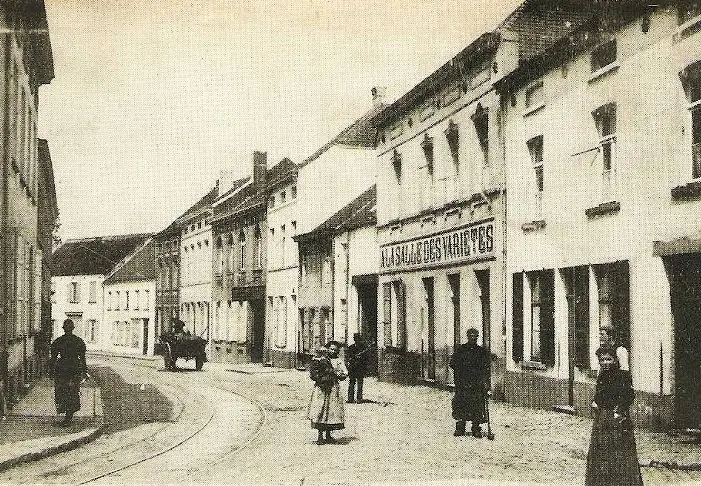
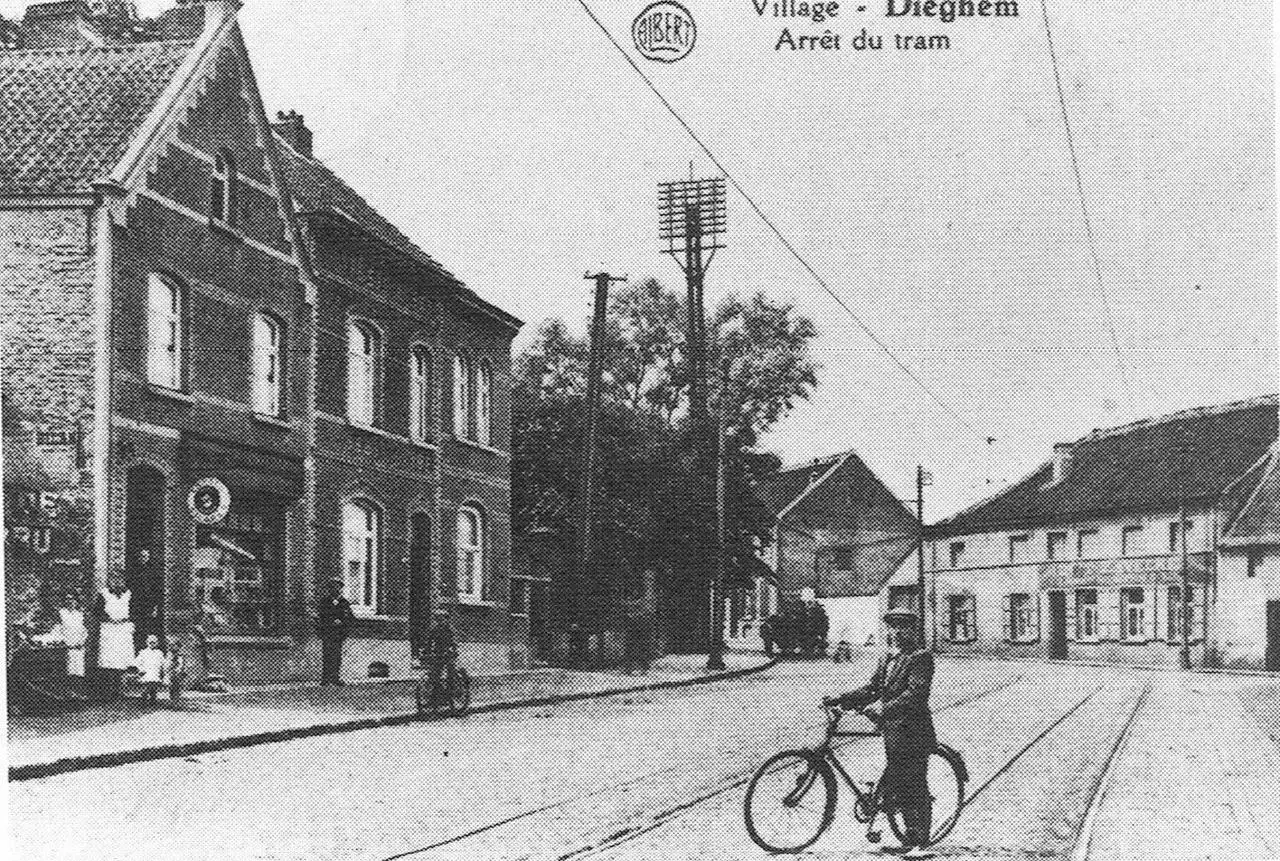
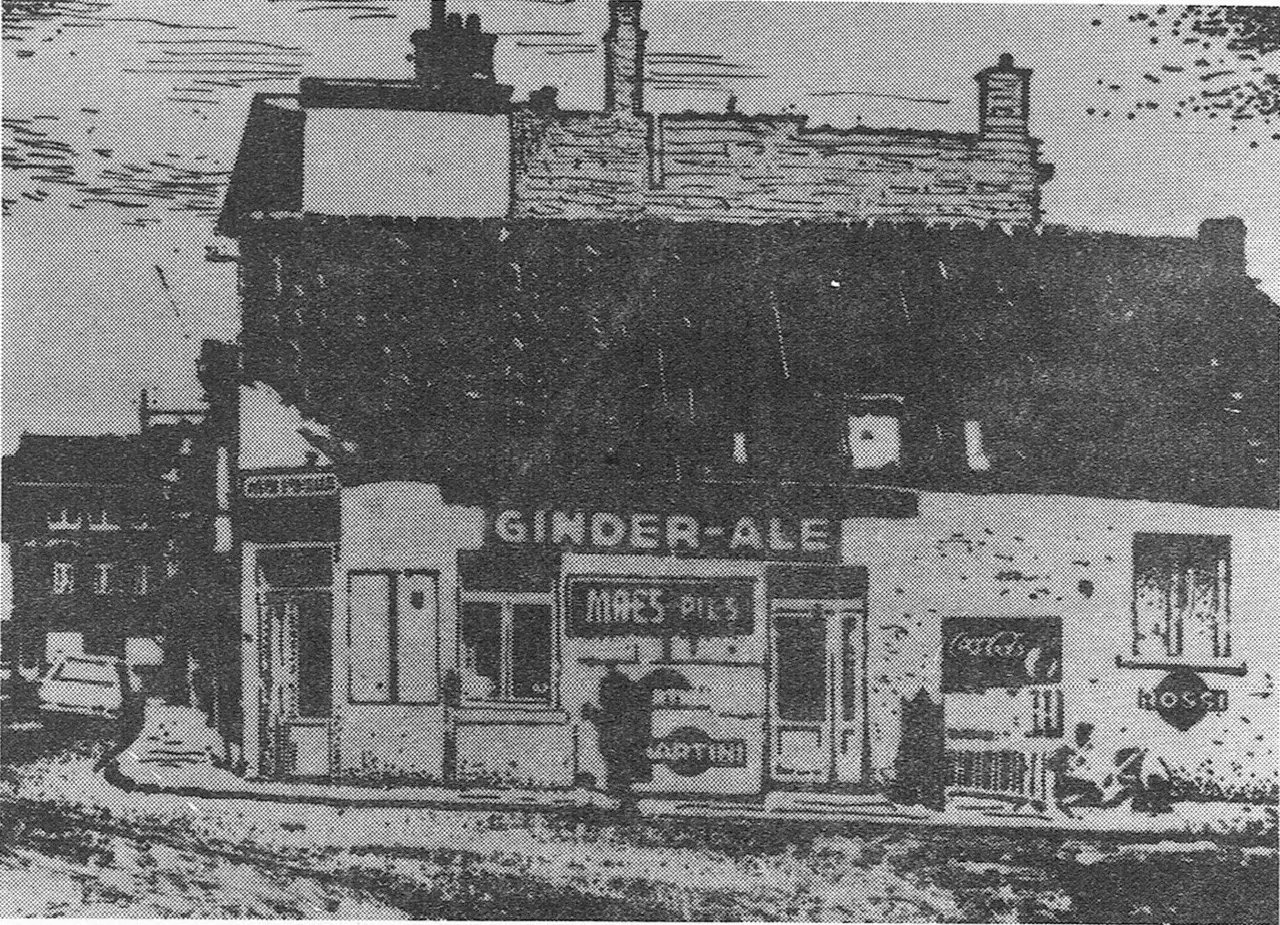
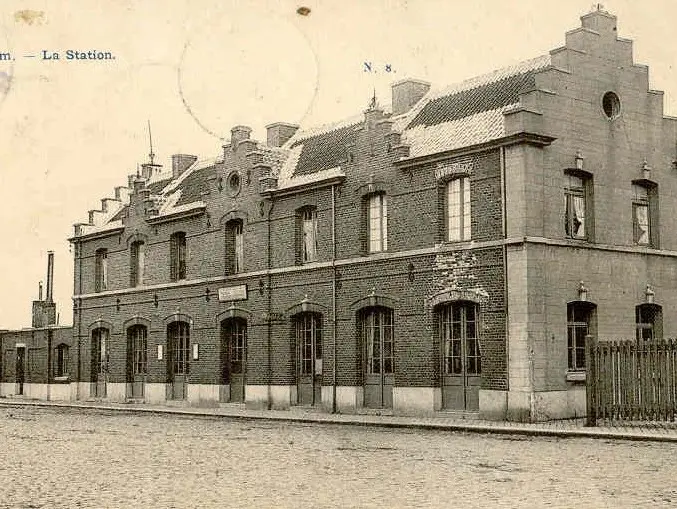
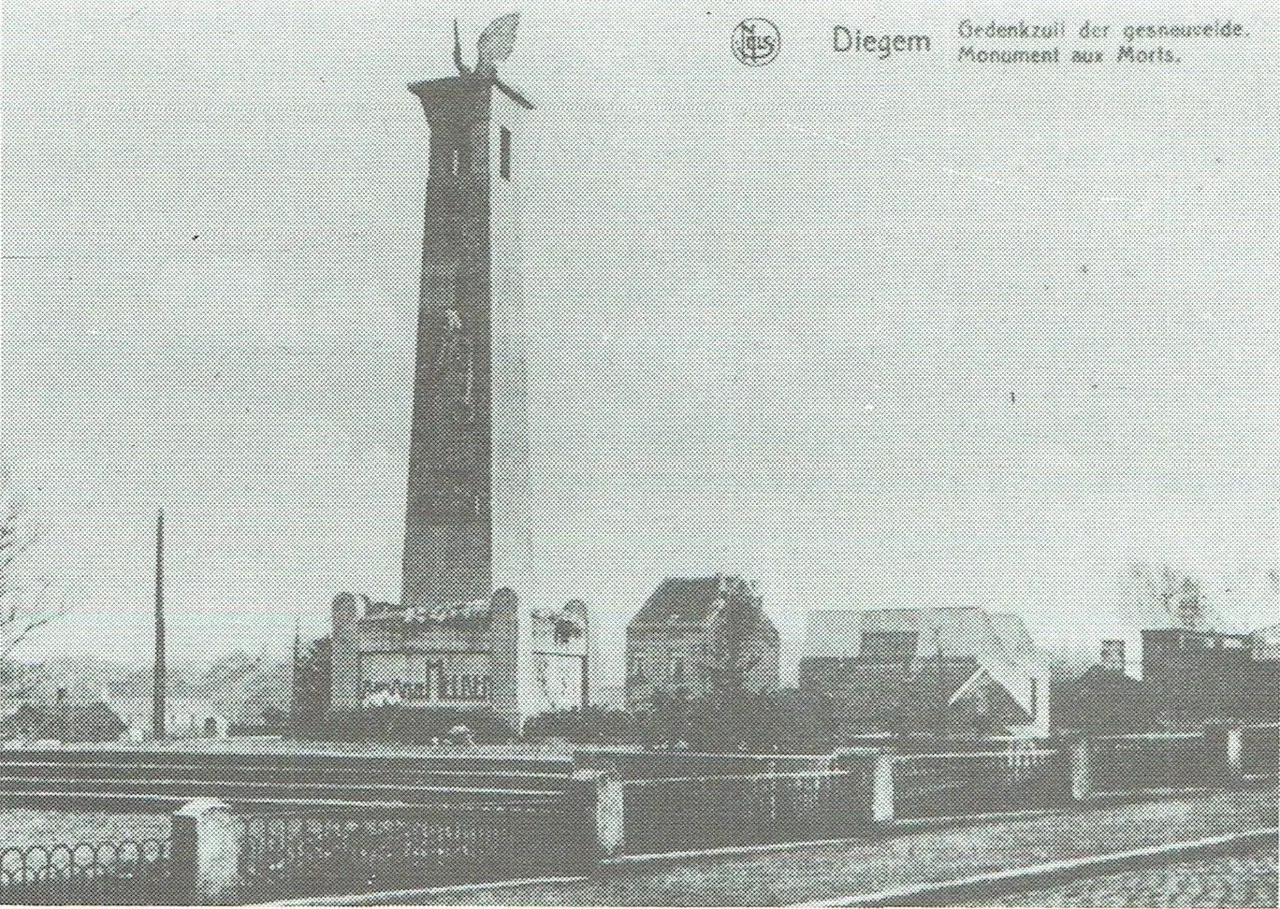
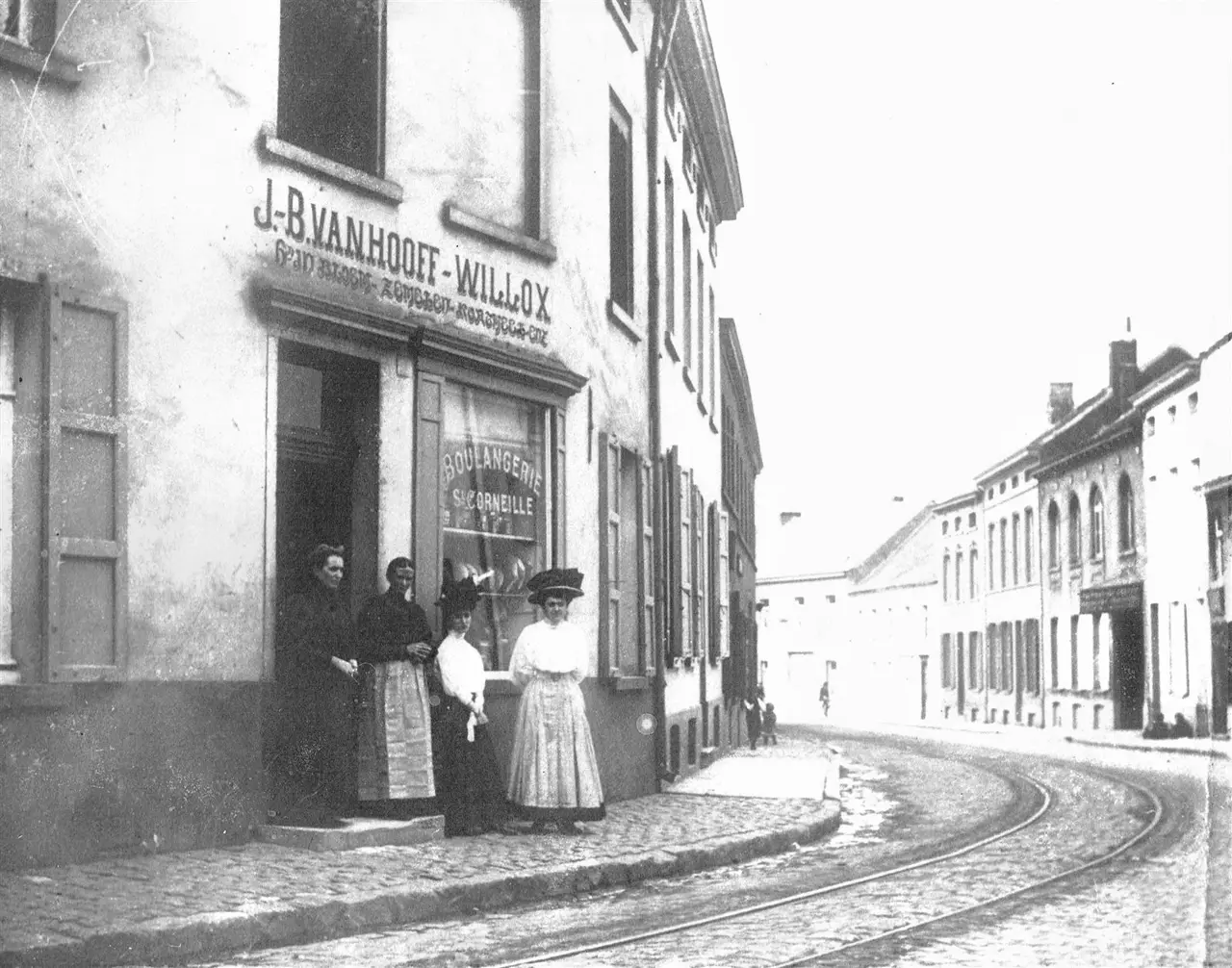
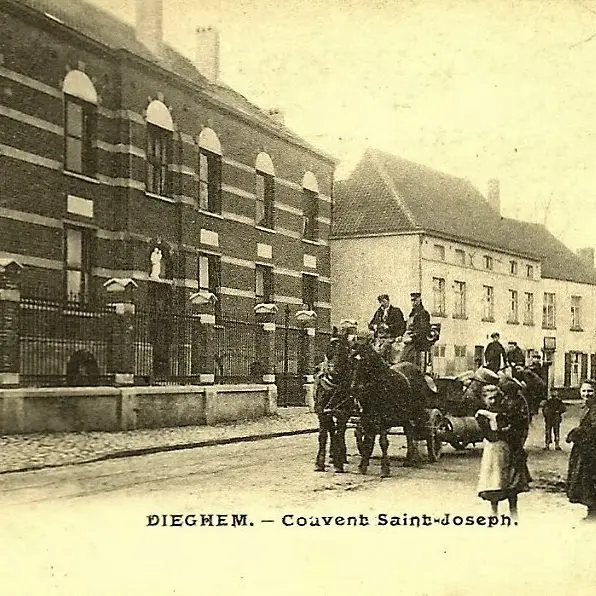
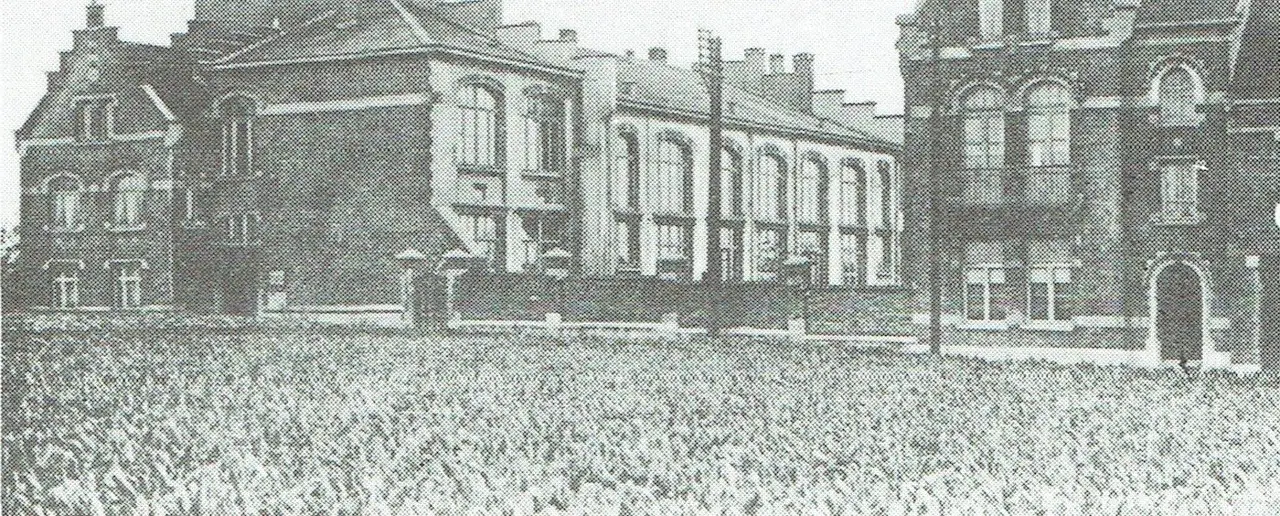
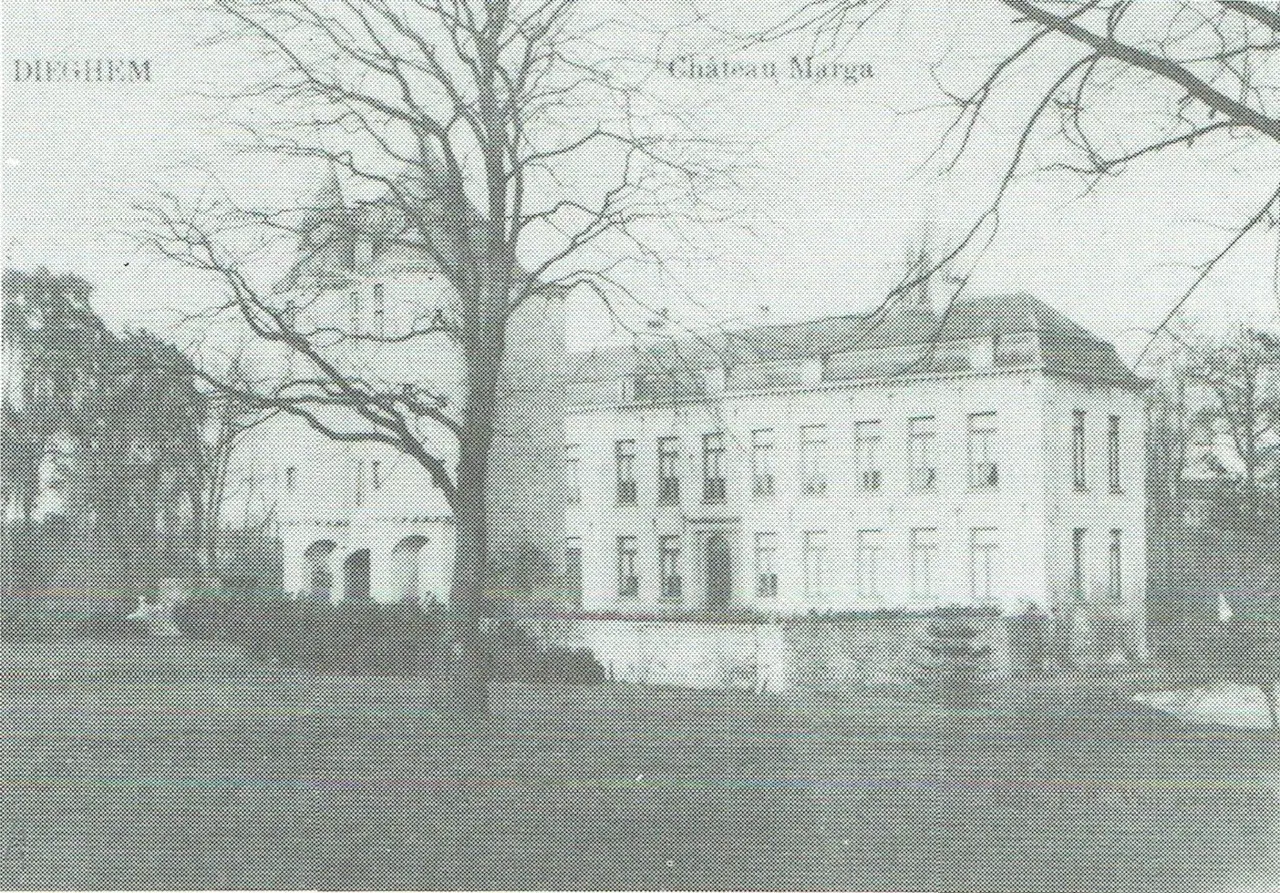
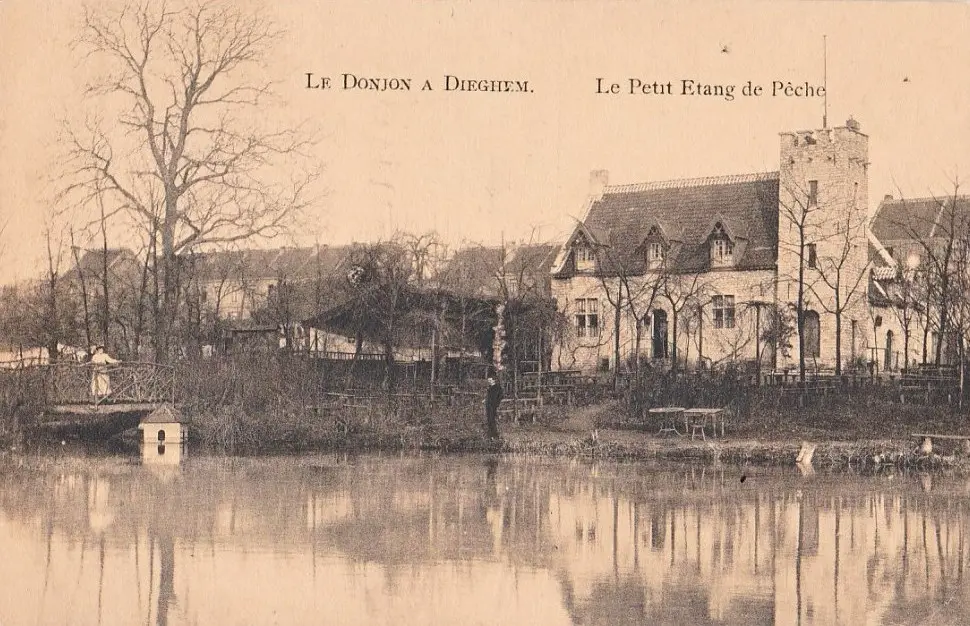
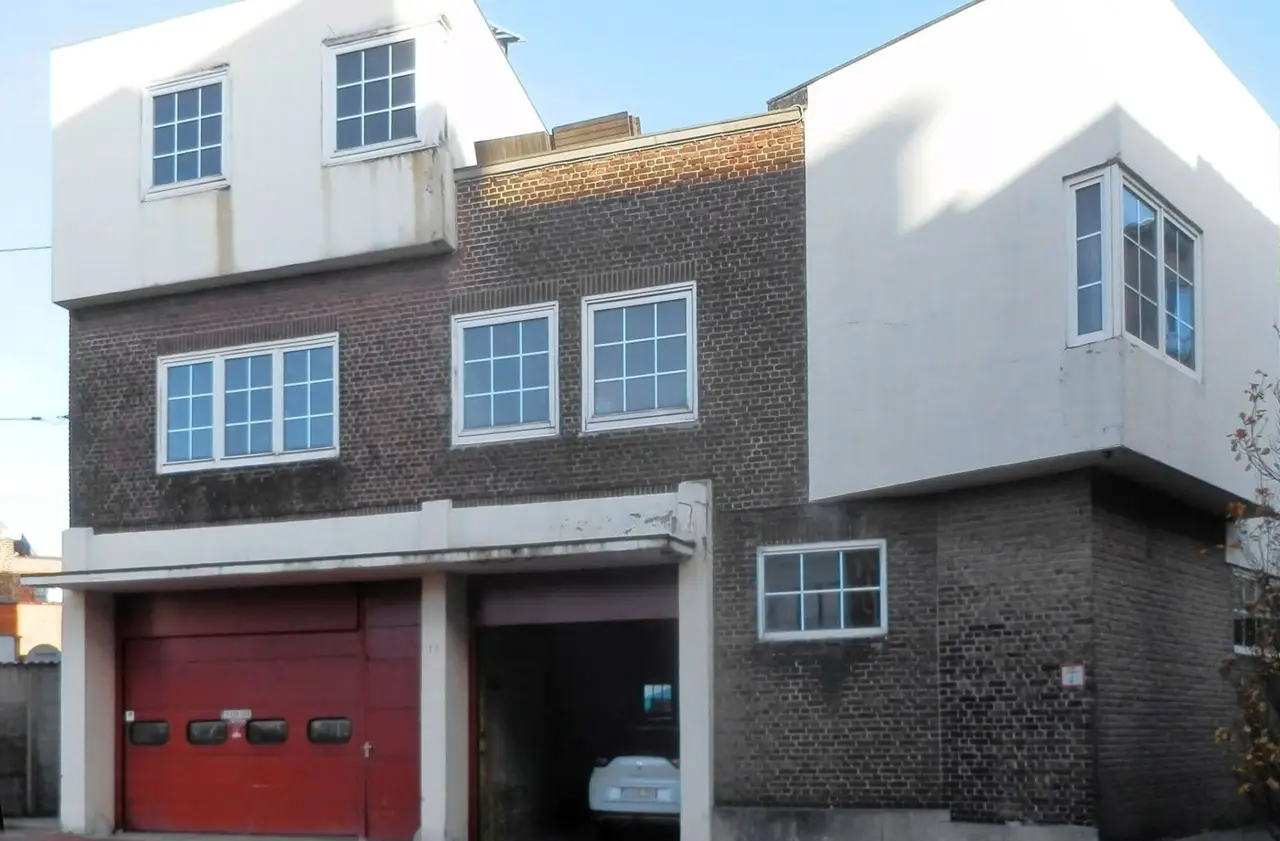
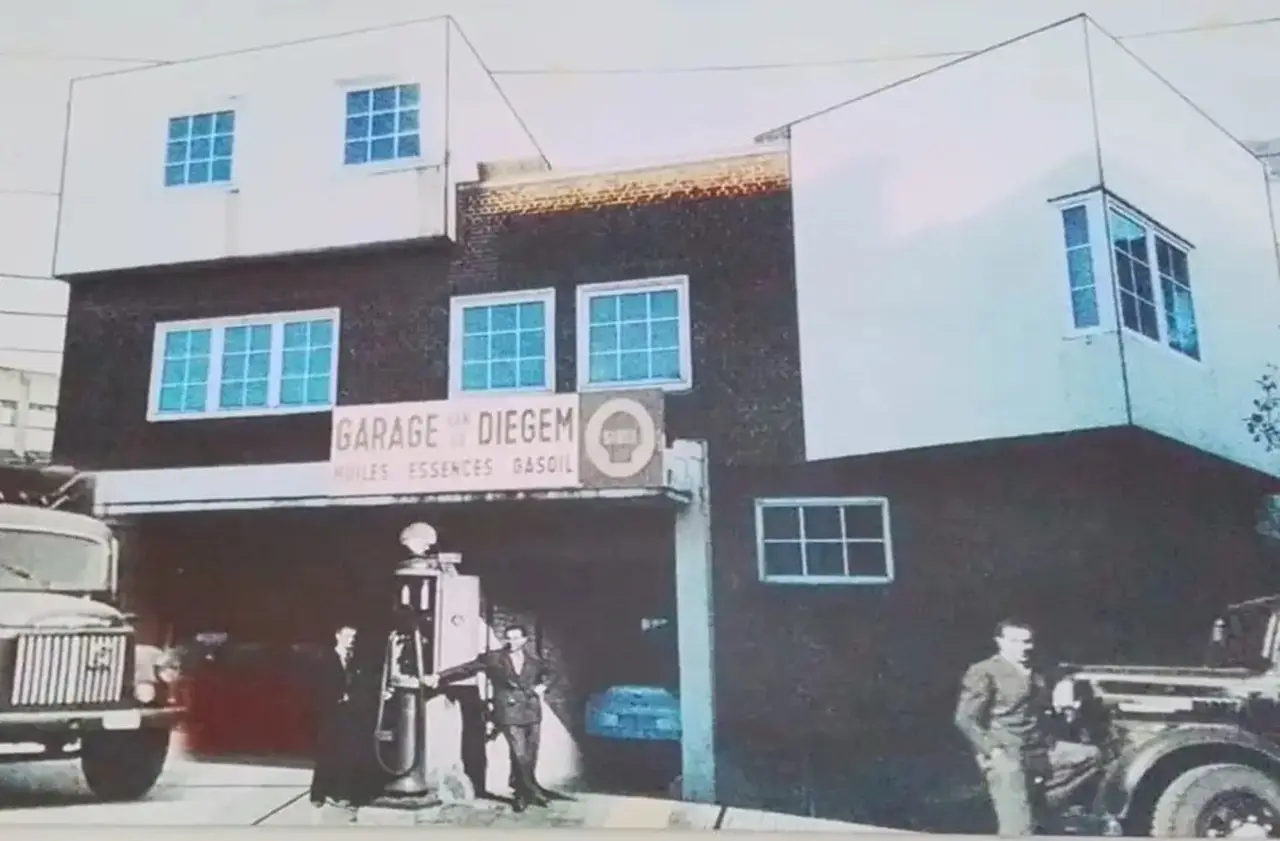
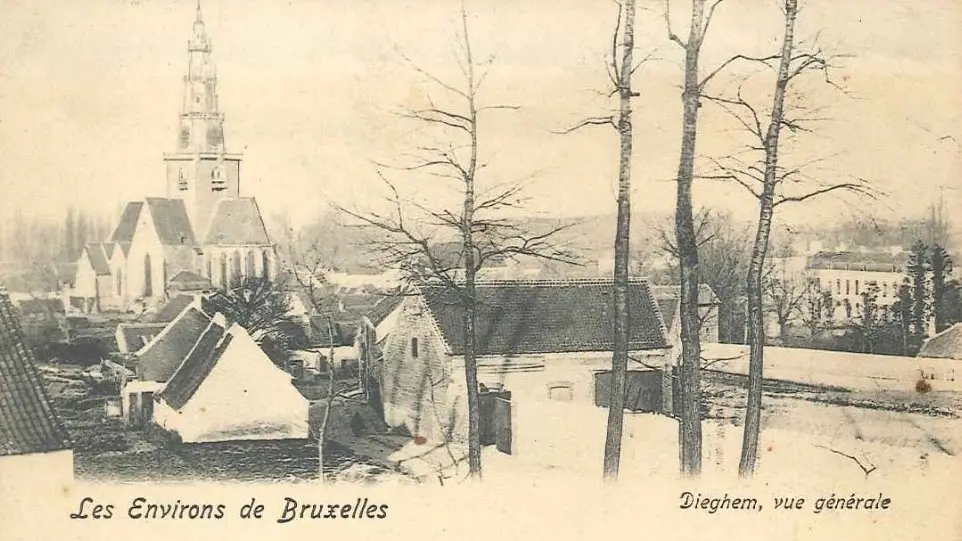
Diegem has changed profoundly. Modern road traffic and the establishment of the airport have swallowed up most of its picturesque corners. The installation of major industries further accelerated this transformation. The simple postcards from the early 20th century have preserved the memory of the “old Diegem” for future generations.